
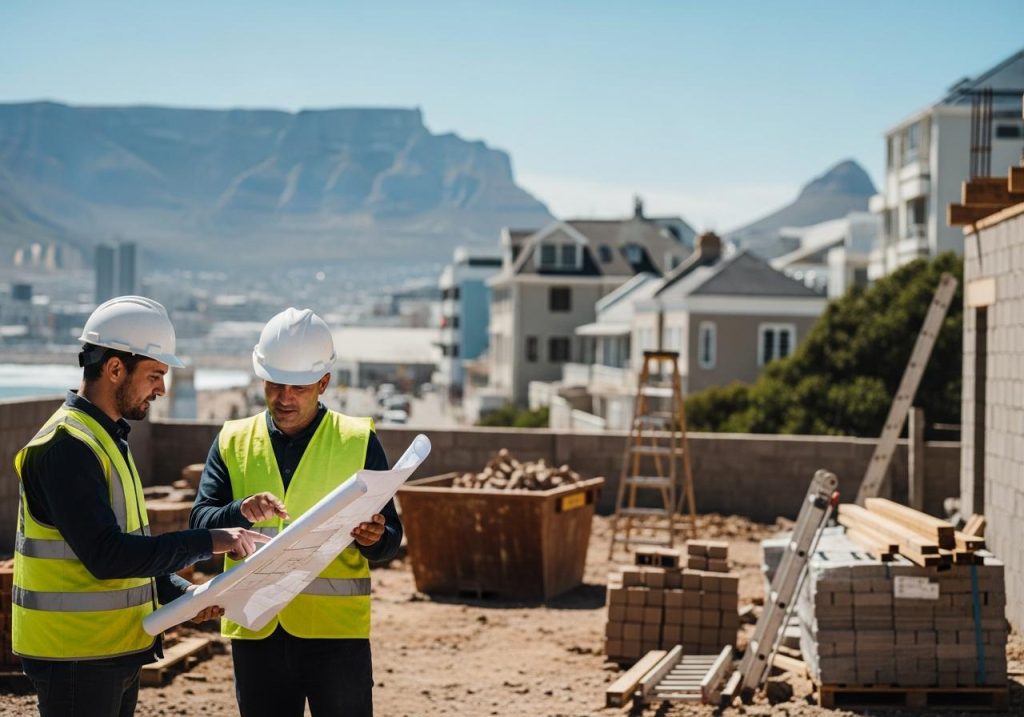
Finding the right builder in Cape Town is the difference between a dream home and a financial nightmare. With over 70% of construction projects facing delays or budget overruns, your choice of contractor is the most critical decision you’ll make.
This guide provides a strategic framework for selecting a small construction company that delivers quality, budget, and schedule.
How to Choose the Best Small Construction Company in Cape Town: A Strategic Guide
Finding the right builder in Cape Town can mean the difference between a dream home and a project that drains your finances and your spirit. Statistics suggest that more than 70% of construction projects experience significant delays or budget overruns, and the primary cause often points back to the initial choice of contractor.
In the “Mother City,” unique challenges; from the south-easterly winds to strict heritage regulations; demand a builder who is more than just a laborer; they must be a strategic partner. This guide is your framework for selecting a small construction company that delivers quality, budget, and schedule.
Why Choose a Small Construction Company?
While large-scale firms have their place in commercial skylines, a small, local construction company offers distinct advantages for residential projects, renovations, and extensions.
- Single Point of Accountability: You are more likely to deal directly with the owner or a dedicated project manager. This removes the “corporate layer,” ensuring your vision doesn’t get lost in translation between a sales rep and the site foreman.
- Agility in Problem Solving: Residential builds often uncover “surprises” especially in older Cape Town suburbs like Tamboerskloof or Wynberg. A smaller team can pivot and make decisions on-site without waiting for a head-office committee.
- Niche Local Knowledge: Whether it’s managing the corrosive effects of sea spray on the Atlantic Seaboard or knowing which local suppliers have the best reclaimed Oregon pine, local expertise is a tangible asset.
The Non-Negotiable Compliance Checklist
Before discussing aesthetics or floor plans, you must verify a company’s legitimacy. In South Africa, certain certifications are not “nice-to-haves” are legal requirements.
1. NHBRC Registration
Ask for a current NHBRC (National Home Builders Registration Council) registration certificate. By law, all home builders in South Africa must be registered. This provides you with a five-year warranty on structural defects. If a builder claims they “don’t need it” for your specific project, consider it a major warning sign.
2. Public Liability Insurance
Construction sites are inherently risky. Ensure the company carries Public Liability Insurance to cover accidental damage to your property or injury to third parties. Ask to see the policy schedule to verify it is active and covers an appropriate amount (typically R5 million to R10 million for residential work).
3. COID (Compensation for Occupational Injuries and Diseases)
Ensure the builder is in good standing with the “Workman’s Comp” commissioner. This ensures that if a worker is injured on your property, the builder-not you-is liable for the medical costs and compensation.
Moving Beyond the Portfolio: Vetting Quality
A website gallery only shows the “best day” of a project. To truly understand a builder’s quality, you need to go deeper.
- Ask for “The Last Three”: Don’t let a builder cherry-pick their best project from five years ago. Ask for the contact details of their last three clients.
- The Site Visit: If possible, ask to visit the current site. Is it tidy? Are the workers wearing safety gear? A chaotic site usually reflects a chaotic management style.
- The Detail Check: When looking at past work, ignore the furniture and decor. Look at the “junctions”: where the tile meets the wall, the consistency of the grout lines, and the smoothness of the plaster under a flashlight.
Understanding the “Cape Town Factor” in Quoting
A quote in Cape Town is rarely just about bricks and mortars. It must account for:
- Logistics: Is your property on a steep slope with limited truck access?
- Environmental Factors: Will the project require specialized “coastal grade” stainless steel or specific waterproofing for the winter rainfall?
- Provisional Sums (P.S.): Be wary of quotes with too many “estimates.” A professional builder will try to firm up costs for finishes (tiles, taps, flooring) early to prevent “budget creep.”
Pro Tip: Never accept a one-page quote. A professional quote for a renovation should be a detailed “Bill of Quantities” that itemizes labor and materials separately.
Red Flags to Watch For
Protect your investment by staying alert to these warning signs:
- The “Cash Discount”: If a builder offers a significant discount for “off-the-books” cash payments, they are likely dodging tax and insurance-leaving you with zero legal recourse.
- Vague Timelines: “We’ll be done in a few months” is not a plan. Demand a high-level schedule with milestones.
- The Disappearing Act: If they take three weeks to return your initial call for a quote, imagine how long they’ll take when there is a pipe leaking behind a new wall.
Key Questions to Ask Before Signing
Before you put pen to paper, ensure you have clear answers to the following:
- Who is my daily contact? Will the owner be on-site, or a foreman?
- How do you handle “Variation Orders”? If I change my mind on a light fixture, what is the process for documenting the cost change?
- What is the payment schedule? Never pay 100% upfront. Payments should be linked to measurable progress (e.g., “Foundation complete,” “Wall plate level reached”).
Trust Your Gut
Choosing a builder is a long-term relationship. You will be communicating with this person daily for months. Beyond the certifications and the quotes, choose the partner who communicates clearly, respects your budget, and shows a genuine interest in the structural integrity of your home.
For a transparent and quality-focused approach to your next Cape Town renovation, consider reaching out to specialists like Local Builder. A thorough vetting process today is the only way to ensure a seamless “handover day” tomorrow.
FAQs
What is the average cost per square meter in Cape Town?
As of 2025, mid-range residential construction typically costs between R12,000 and R18,000 per m², while high-end architectural builds can exceed R25,000 per m².
How long does plan approval take?
In the City of Cape Town, expect 3 to 6 months for standard residential approvals. Heritage-protected areas (like Bo-Kaap or Chelsea Village) can take significantly longer due to additional committee reviews.
Do I need a site toilet?
Yes, it is the contractor’s responsibility to provide adequate sanitation for their staff, typically via a portable chemical toilet, which should be factored into the “preliminary and general” (P&G) costs of your quote.