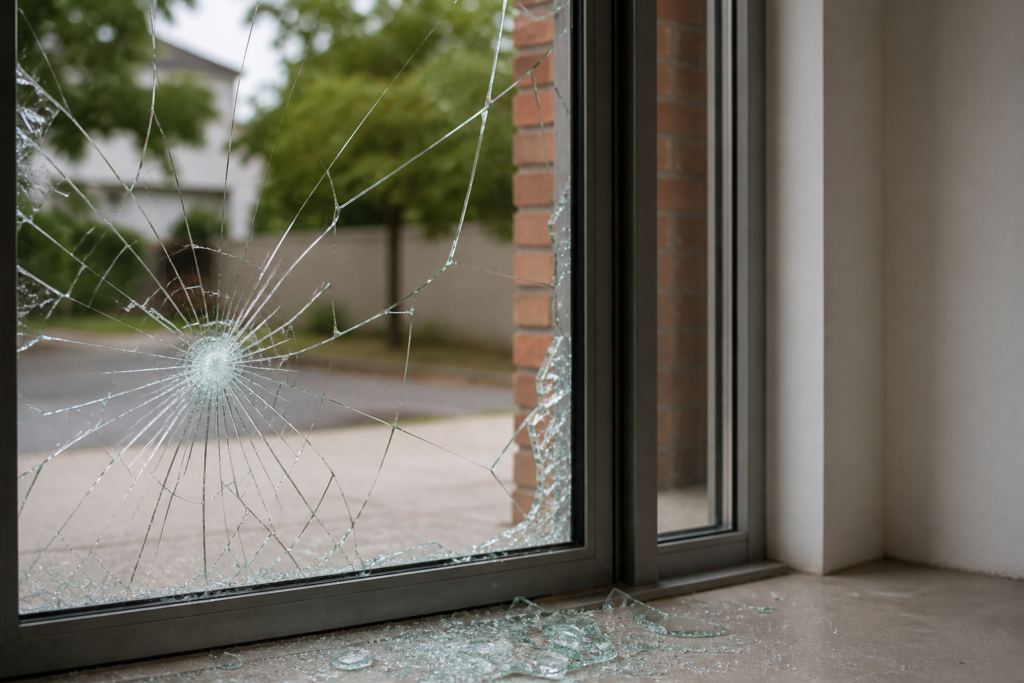
In the Johannesburg building sector, a compromised building envelope—whether through accidental impact, structural settling, or forced entry—presents an immediate risk to both site security and occupant safety. For property managers, contractors, and site foremen, the window between the initial breakage and the restoration of the barrier is a period of high liability. Addressing this critical need, 24 Hour Glass has streamlined the logistics of glass remediation by launching a dedicated express service designed to meet the high-pressure demands of the Gauteng construction and property management landscape.
Regulatory Compliance and SANS 10400-N Standards
In South Africa, glass replacement is not merely a cosmetic fix; it is a matter of strict regulatory compliance. All glazing must adhere to SANS 10400-N (The application of the National Building Regulations: Glazing). This standard dictates the thickness and type of safety glass required based on the height from the floor, the area of the pane, and the specific application (e.g., balustrades, doors, or low-level windows).
When executing an express emergency glass replacement, the technical challenge lies in identifying the correct material specification on-site. Using standard float glass in a “human impact area” is a violation of building codes and a significant legal risk. Expert glaziers must distinguish between Polyvinyl Butyral (PVB) laminated safety glass and thermally toughened glass. Laminated glass is often preferred in Johannesburg for security applications because the interlayer holds the fragments together upon impact, maintaining a physical barrier even when broken.
The Logistics of 24-Hour Glazing in Johannesburg
The Gauteng region presents unique logistical hurdles, including high traffic volumes and varying security protocols in residential estates and commercial precincts. A successful emergency response requires a mobile unit equipped for on-site cutting and temporary boarding-up services. 24 Hour Glass has structured its operations to bypass traditional lead times, which can often stretch into days for custom-cut safety glass.
The technical workflow for a rapid-response glazing intervention generally follows a four-stage protocol:
- Site Assessment and Hazard Mitigation: Removing shards and securing the immediate perimeter to prevent injury to occupants.
- Compliance Verification: Determining the original glass specification and ensuring the replacement meets current SANS safety requirements.
- Precision Measurement: Accounting for frame tolerances and expansion gaps, particularly in aluminium or steel framing systems common in Gauteng’s modern commercial architecture.
- Installation and Sealing: Using high-grade structural silicones or glazing gaskets to ensure weatherproofing and structural integrity.
Mitigating Risk Through Professional Intervention
For contractors managing large-scale sites, a broken pane is often a symptom of larger issues, such as building movement or incorrect initial installation. A specialist provider like 24 Hour Glass offers more than just a replacement; they provide a technical post-mortem of the failure. Their comprehensive range of specialist glazing services ensures that the replacement glass is not only fitted quickly but is also better suited to the environmental stresses of the specific site.
Safety Glass Categories in the South African Context
Understanding the material science is vital for any tradesperson overseeing a repair. There are two primary categories of safety glass mandated in Gauteng building projects:
- Laminated Safety Glass: Two or more layers of glass bonded with a plastic interlayer. Essential for shopfronts and high-security residential applications in Johannesburg.
- Toughened (Tempered) Glass: Glass that has been heat-treated to increase strength. While much stronger than float glass, it cannot be cut once toughened, making accurate initial measurements by a 24-hour rapid response team essential for a successful first-time fit.
Thermal Stress and Local Climate Considerations
Johannesburg’s climate, characterized by significant diurnal temperature swings and intense UV radiation, places unique thermal stress on glazing. Glass that is partially shaded or positioned in high-heat absorption areas can suffer from thermal fractures. When performing emergency replacements, it is critical to assess whether the replacement pane requires polished edges to reduce the risk of future stress fractures—a technical detail often overlooked by non-specialist handymen.
By integrating technical expertise with a rapid-deployment model, 24 Hour Glass provides the Gauteng building industry with a reliable mechanism to manage the unforeseen. Whether dealing with a shattered shopfront in Sandton or a domestic emergency in Pretoria, the focus remains on restoring the safety, security, and thermal performance of the building envelope without the delays inherent in traditional glazing supply chains.
Conclusion for Contractors and Property Owners
In an environment where site security is synonymous with business continuity, the value of an express glazing partner cannot be overstated. Ensuring that repairs are carried out by qualified professionals who understand the nuances of SANS 10400-N protects the property owner from future litigation and ensures the long-term durability of the installation. For those managing Gauteng properties, having a pre-vetted glazing specialist on call is a fundamental component of a robust risk management strategy.