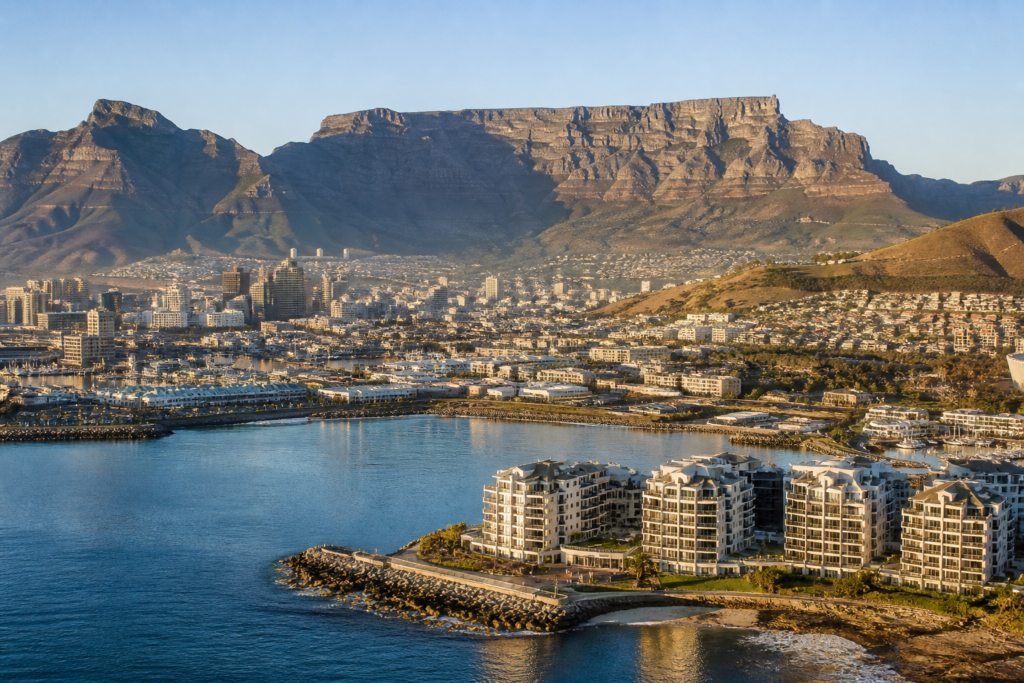
The post-pandemic recovery of the Western Cape tourism sector has triggered a significant shift in urban development priorities, with recent market data indicating a sharp rise in demand for high-density, high-specification units in the City Bowl and Atlantic Seaboard. For South African contractors and property developers, this skyrocketing demand for central holiday accommodation signifies a pivot toward specialized brownfield redevelopments and luxury retrofitting. As the market matures, the technical requirements for these units are evolving, moving beyond basic aesthetics toward high-performance resilience and smart-home integration.
The Shift Toward High-Yield Urban Conversions
In the current economic climate, property owners are increasingly converting traditional long-term residential units or underutilized commercial spaces into short-term rental assets. According to industry specialists at Cape Town Holiday Apartments, the primary driver is the significant yield premium offered by Cape Town city holiday rentals compared to conventional leases. However, this transition is not merely a cosmetic exercise; it requires a deep understanding of site-specific constraints and the rigorous standards of the international travel market.
For the contractor on the ground, this means a higher volume of work centered on high-end finishes, acoustic insulation, and optimized spatial planning. Developers are now prioritizing “lock-up-and-go” configurations that maximize square footage without compromising the luxury feel that global tourists expect when booking holiday accommodation in Cape Town.
Technical Requirements and SANS Compliance
When retrofitting older buildings in the Cape Town CBD for the short-term market, compliance with SANS 10400 (The National Building Regulations) remains the baseline. However, the unique usage patterns of holiday rentals demand more robust engineering solutions. Key areas of focus for tradespeople include:
- Acoustic Performance: Increased foot traffic in central apartment blocks necessitates superior sound attenuation between units. Contractors are increasingly specifying high-density dry-lining systems and acoustic floor underlays to mitigate noise complaints—a critical factor for short-term rental ratings.
- Fire Safety: High-density holiday occupancy often triggers more stringent fire safety requirements under SANS 10400-T, particularly regarding escape routes and fire-rated partitioning in repurposed commercial structures.
- Sanitation and Plumbing: With multiple guests frequenting units, the load on internal plumbing increases. Upgrading to high-efficiency, low-maintenance hot water systems (such as heat pumps or centralized gas boilers) is becoming a standard project requirement.
Integrating Load-Shedding Resilience
In the South African context, “luxury” is now inextricably linked to energy security. A property that cannot maintain lighting, Wi-Fi, and basic appliance functionality during a power outage is a liability in the short-term rental sector. This has created a massive niche for electrical contractors to install integrated inverter and lithium-ion battery systems during the initial renovation phase.
Expert consultants from Cape Town Holiday Apartments note that property owners who invest in seamless back-up power see significantly higher occupancy rates and fewer refund requests. For builders, this involves pre-wiring units for essential circuits and ensuring that DB boards are configured to accommodate sub-metering and modular energy storage units from the outset. Strategic professional property management and consulting often highlights that these technical upgrades provide the highest return on investment in the current market.
Materials and Finishes: Durability vs. Aesthetics
From a maintenance perspective, the choice of materials is critical. The “skyrocketing demand” reported in the central Cape Town sector means higher turnover rates, which translates to increased wear and tear. Contractors should advise clients toward materials that offer the aesthetic of high-end boutique hotels but the durability of commercial installations. This includes:
- Quartz and Sintered Stone: Replacing porous natural stones like marble for kitchen and bathroom surfaces to prevent staining and chipping.
- High-Traffic Vinyl (LVT): Moving away from laminate toward luxury vinyl tiles that offer water resistance and superior scratch protection.
- Smart Access Control: The installation of biometric or keypad-based entry systems is no longer optional. These systems reduce the logistical burden of key handovers and enhance site security.
Conclusion for the Building Trade
The boom in central Cape Town’s holiday accommodation sector is more than a seasonal trend; it is a structural realignment of the city’s property market. For the construction industry, this presents a sustained opportunity for high-margin renovation work and specialized maintenance contracts. By understanding the specific needs of the short-term rental market—ranging from energy resilience to SANS-compliant soundproofing—contractors and tradespeople can position themselves as essential partners in Cape Town’s ongoing urban transformation.