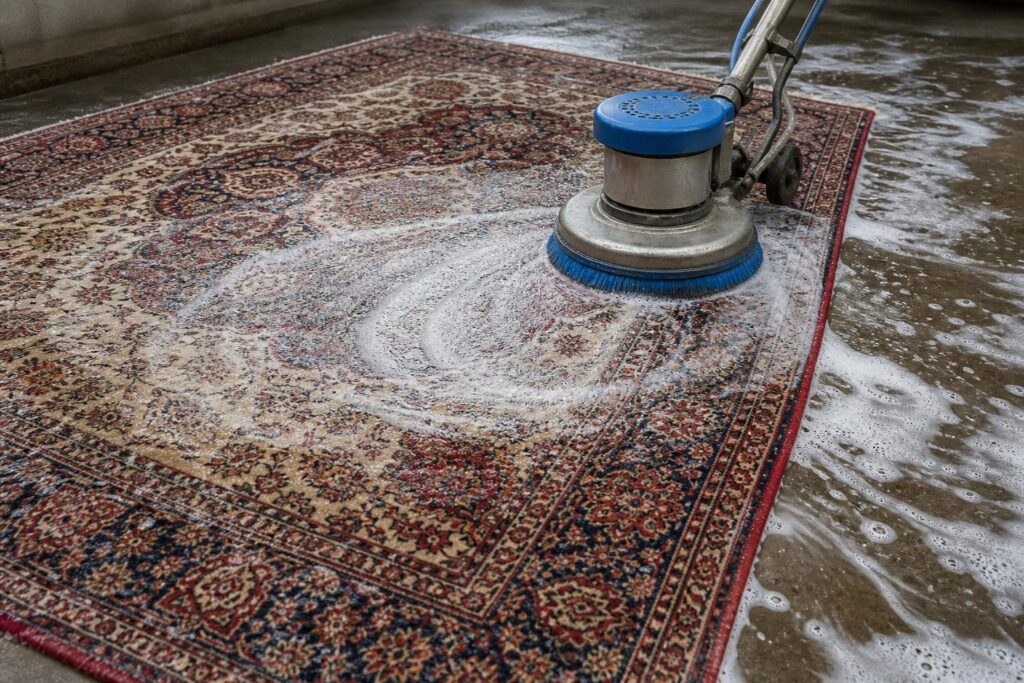
Johannesburg homeowners and collectors are being urged to take a more cautious approach to caring for Persian carpets and hand-knotted rugs, as specialists warn that improper cleaning methods can permanently damage natural fibres, dyes and knot structures. With demand for heritage textiles rising across South Africa’s premium residential and interior design markets, cleaning providers say the emphasis should be on conservation rather than convenience.
According to Carpet Cleaning Central, Persian rugs require a different handling standard from machine-made carpets, particularly in a city like Johannesburg where dust, indoor pollutants and occasional humidity fluctuations can accelerate wear. The company says the most common mistakes include over-wetting, using alkaline detergents, and attempting aggressive stain removal without first identifying the fibre content and dye stability.
The issue is not only cosmetic. A hand-knotted Persian carpet can represent a significant financial and cultural asset, especially when inherited or sourced through specialist dealers. In many South African households, these pieces are treated as functional décor, but industry professionals say they should be regarded as long-term investments that need proper maintenance to retain value.
Why specialist cleaning matters for Persian rugs
Persian carpets are typically made from wool, silk or a blend of natural fibres, with dyes that may be vegetable-based or chemically fixed depending on age and origin. That means standard carpet shampooing or steam cleaning can cause colour bleed, shrinkage or fibre distortion if applied without testing.
Carpet Cleaning Central notes that rug cleaning should begin with a detailed inspection, including identification of the weave, fringe condition, colourfastness and any pre-existing damage. This is particularly important in Johannesburg, where dust accumulation from urban traffic and seasonal pollen can settle deep into the pile, making surface vacuuming alone insufficient.
“A Persian rug should never be treated like wall-to-wall carpet,” the company says. “The cleaning process needs to preserve the knot structure, the integrity of the dye, and the softness of the fibres. What looks like a simple stain can become a permanent mark if handled incorrectly.”
Common risks in the Johannesburg market
In South Africa’s commercial cleaning environment, convenience often drives the use of generic equipment and chemical-heavy solutions. For Persian and Oriental rugs, that can be problematic. Specialists point to several recurring risks:
- Excess moisture: can lead to dye migration, mildew and fibre weakening.
- Harsh detergents: may strip lanolin from wool and dull natural sheen.
- Mechanical agitation: can loosen knots and distort handwoven patterns.
- Improper drying: may cause odours, shrinkage or browning at the backing.
- Fringe damage: often occurs when cleaning is rushed or performed with unsuitable tools.
For owners in affluent Johannesburg suburbs, including Sandton, Bryanston, Hyde Park and nearby areas, the stakes are especially high. Rugs in these homes are often exposed to foot traffic, pets and direct sunlight, all of which can gradually degrade the textile if routine care is neglected.
What proper Persian rug care should include
Industry best practice begins with dry soil removal. Before any liquid treatment is used, the rug should be gently vacuumed on both sides, with particular attention paid to the pile and fringe areas. This reduces abrasive grit that can cut fibres over time.
A second step is controlled testing. Cleaning professionals should test a discreet section to determine whether dyes are stable and whether the rug has any prior repairs, colour corrections or latex backing issues. Once assessed, the rug can be treated using low-moisture methods designed for hand-knotted textiles.
Carpet Cleaning Central advises that delicate rugs be cleaned using pH-balanced solutions and slow extraction techniques, followed by careful drying in a ventilated environment. The company says this approach helps protect the rug’s structure while removing embedded soil, allergens and odour-causing residues.
For households seeking guidance on specialist care, Carpet Cleaning Central has also published a detailed resource on Persian carpet and rug cleaning services in Johannesburg, outlining the differences between routine maintenance and conservation-grade treatment.
A broader shift in consumer expectations
The growing awareness around specialist textile care reflects a wider trend in South Africa’s premium services sector, where consumers are increasingly looking for providers who understand asset preservation rather than one-size-fits-all cleaning. This is particularly relevant in Johannesburg, where the combination of high-density living, climate variability and busy urban routines places pressure on household furnishings.
Interior designers and property managers are also paying closer attention to rug maintenance as part of broader home care strategies. In higher-value properties, the condition of rugs can influence the overall presentation of a room and, by extension, perceived property value. That has prompted more clients to request scheduled inspections and preventative cleaning rather than waiting for visible staining or damage.
Carpet Cleaning Central says this shift is encouraging because it moves the conversation away from emergency stain removal and toward preservation. “The best outcome is often the one that prevents deterioration before it starts,” the company notes. “With Persian rugs, regular professional assessment can extend life significantly and reduce the risk of irreversible harm.”
Preserving value through informed care
For Johannesburg households that own hand-knotted Persian carpets, the message from specialists is clear: cleaning should be deliberate, documented and tailored to the textile. The wrong approach can shorten the life of an investment piece; the right one can preserve colour, texture and historical value for decades.
As awareness grows across South Africa’s home services market, providers with specialist knowledge are likely to play a bigger role in protecting these assets. For owners, that means asking the right questions before hiring a cleaner: What fibres are involved? How are dyes tested? What drying method is used? And how is fringe and edge damage prevented?
In a market where decorative rugs are increasingly seen as collectibles rather than disposable furnishings, those questions may determine whether a piece retains its character and value over time.