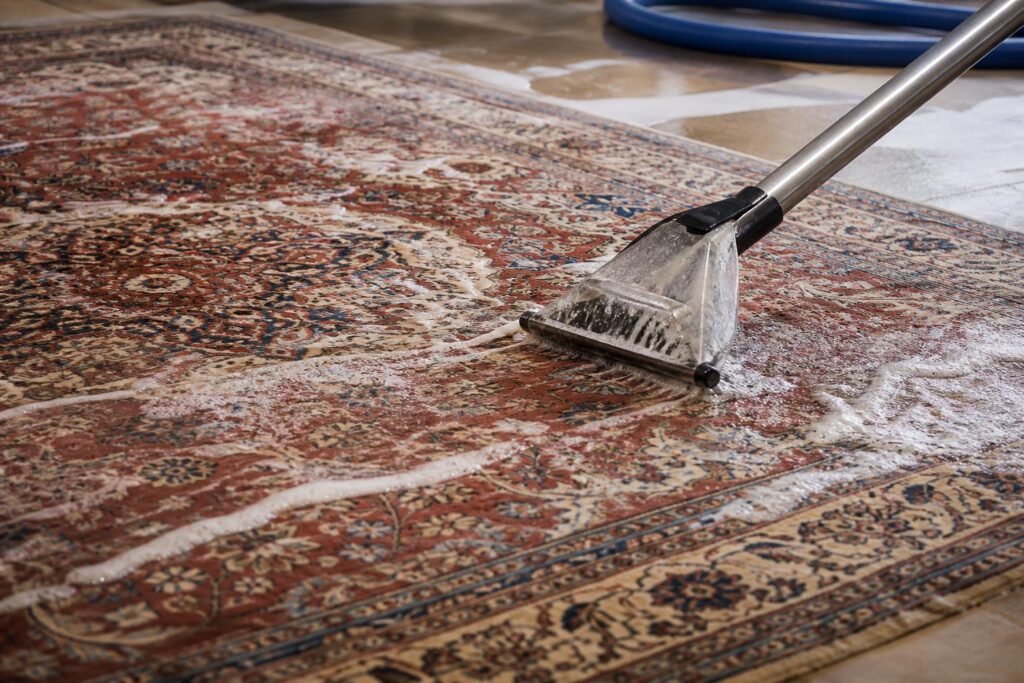
Johannesburg, South Africa — As demand rises for professional textile care in high-value homes and commercial interiors, specialists are warning that Persian carpets and hand-knotted rugs require a markedly different cleaning approach from standard wall-to-wall carpeting. Industry practitioners say the wrong process can strip dyes, distort fibres and reduce the long-term value of pieces that are often treated as both functional furnishings and family investments.
According to Carpet Cleaning Central, the Johannesburg market is seeing growing interest in informed care for imported and heirloom rugs, particularly among homeowners, collectors and interior designers seeking to preserve craftsmanship in a climate that brings dust, traffic wear and seasonal humidity changes.
“Persian and hand-knotted rugs are not interchangeable with synthetic carpets,” the company notes. “The weave, dye stability and fibre composition all influence how a rug should be assessed, cleaned and dried.”
Why Persian rugs need specialist handling
Persian rugs are typically made using wool, silk or blended natural fibres and may contain vegetable or acid dyes that respond unpredictably to moisture, agitation and heat. In Johannesburg, where fine dust from urban traffic and dry conditions can settle deeply into pile, routine vacuuming alone is often insufficient to protect a rug’s condition.
Cleaning professionals say the main risk is not soil removal itself, but over-processing. Excessive scrubbing, steam, alkaline detergents and insufficient drying can lead to colour migration, shrinking, fibre stress and backing damage. For older or antique rugs, those failures may be irreversible.
Carpet Cleaning Central advises that owners of hand-knotted rugs seek an inspection before any wet cleaning is attempted, particularly when the rug shows signs of fading, prior repairs or loose fringes. Their guidance reflects a broader shift in the local cleaning sector toward fibre-specific treatment rather than one-size-fits-all service models.
What Johannesburg owners should look for before cleaning
Before a Persian rug is cleaned, specialists recommend a structured assessment of construction, age and condition. This is especially relevant in South Africa’s upper-end residential and hospitality markets, where imported rugs are often used in living rooms, boardrooms and boutique guest spaces.
Key considerations include:
- Fibre identification: Wool, silk and cotton respond differently to cleaning agents and drying methods.
- Dye stability: Colourfastness testing helps identify whether dyes may bleed during washing.
- Wear patterns: Heavy foot traffic, pet exposure and sun fading can weaken vulnerable areas.
- Fringe and edge condition: These are often the first parts to deteriorate during improper cleaning.
- Previous repairs: Patching, reweaving and glue-based fixes may require modified treatment.
In practical terms, this means a rug should be treated as a textile artefact rather than a household surface. That distinction matters in Johannesburg, where many owners invest in Persian rugs as long-term décor assets and, in some cases, as tradable collectibles.
Cleaning methods that help preserve value
Experts say the safest approach usually begins with dust removal, followed by controlled washing using pH-balanced solutions suited to the specific fibres. Dry soil can account for much of the wear on a rug’s pile, and removing it before wet treatment helps reduce abrasion.
For this reason, many specialists avoid harsh mechanical beating or aggressive machine agitation. Instead, the recommended process typically includes:
- thorough inspection and testing before treatment;
- careful dust extraction from the foundation and pile;
- spot treatment for stains using fibre-safe products;
- gentle hand washing or controlled immersion where appropriate;
- managed drying in a ventilated environment;
- final grooming and post-cleaning quality checks.
Carpet Cleaning Central says the objective is not simply to make a rug look clean, but to maintain its structural integrity. That is particularly important for specialist Persian carpet and rug cleaning services in Johannesburg, where buyers and owners increasingly expect preservation-grade care rather than basic domestic cleaning.
Local conditions shape cleaning needs
Johannesburg’s climate and urban environment create specific challenges for rug maintenance. Fine dust, indoor pollution and dry winters can embed particles deep into the pile, while seasonal moisture and poor drying conditions can encourage odour, mildew or dye instability if rugs are cleaned incorrectly.
In many homes, rugs also sit under furniture, air-conditioning vents or direct sunlight, creating uneven exposure that complicates maintenance. Local cleaning professionals say this is one reason owners should avoid postponing servicing until a rug appears visibly soiled. By then, grit may already have degraded the fibres.
For commercial spaces, the issue is equally practical. Hotels, offices and hospitality venues often use Persian-style rugs for visual impact, but foot traffic, spills and frequent repositioning can accelerate wear. Scheduled care, rather than reactive cleaning, is increasingly seen as the standard for asset protection.
Preservation is now part of textile stewardship
Across South Africa’s interiors and property sectors, there is a growing understanding that premium rugs are part of a wider stewardship conversation: maintaining value, extending lifespan and reducing replacement costs. This has become more relevant as consumers place greater emphasis on quality goods that can be repaired and maintained rather than discarded.
Carpet Cleaning Central says that education remains central to this shift. Owners who understand the nature of their rug are more likely to choose the correct care routine, avoid damage and retain resale or inheritance value over time.
For Johannesburg homeowners, the message is straightforward: Persian rugs can last for generations, but only when cleaning is matched to the material, construction and condition of the piece. In a market where craftsmanship and provenance matter, proper maintenance is not an optional extra — it is part of protecting the investment itself.
For more information on care standards and specialist treatment options, readers can consult Persian carpet and rug cleaning guidance from Carpet Cleaning Central.