Midrand, South Africa — Demand for professional waterproofing services in Midrand has risen following a series of heavy storms that exposed recurring vulnerabilities in residential and commercial buildings, according to property observations shared by local industry specialists. The surge reflects a broader challenge facing South African property owners: protecting buildings from water ingress amid increasingly volatile weather patterns and mounting repair costs.
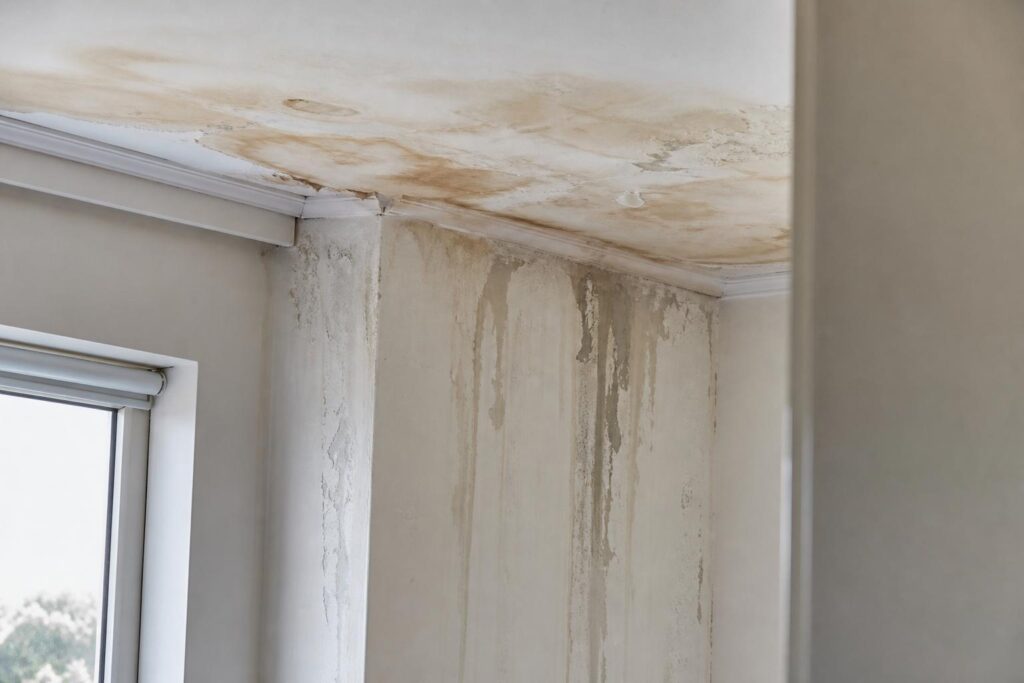
In Midrand, where rapid development has produced a mix of new office parks, sectional-title complexes and older homes, storm-related leaks are becoming a costly maintenance issue. Property managers and homeowners are reporting damaged ceilings, damp walls, compromised paintwork and, in some cases, structural deterioration linked to inadequate moisture protection.
Quality Dampproofing, which works with property owners across Gauteng, says the pattern is consistent with what it has seen across the province after major rainfall events. The company notes that many buildings are not failing because of a single severe storm, but because waterproofing systems have been allowed to deteriorate over time without inspection or preventative maintenance.
Storm Damage Exposes Deferred Maintenance
According to Quality Dampproofing, the increase in enquiries after heavy rainfall is not only a response to visible leaks, but also to hidden damage that often goes unnoticed until it becomes expensive to repair. In many cases, water has already entered roof membranes, parapets, retaining walls or bathroom areas long before stains appear inside a building.
This is especially relevant in Midrand, where commercial and residential properties are often managed under pressure to reduce operating costs. Maintenance budgets are frequently directed toward immediate functional needs, while waterproofing is postponed until failure occurs. Industry specialists warn that this approach can create larger capital outlays later, particularly when repeated moisture penetration affects plaster, insulation, electrical systems or tenant occupancy.
The company says property owners are increasingly seeking professional waterproofing services in Midrand for storm-related repairs and preventative maintenance, rather than relying on temporary sealants or cosmetic patchwork that does not address the underlying cause of water ingress.
Why Midrand Is Seeing the Impact
Midrand’s property profile makes it particularly exposed to drainage and waterproofing failures. Newer developments often rely on flat roof systems, expansion joints and complex roof penetrations, while older properties may have aged membranes, cracked fascias and inadequate slope-to-drain design. When heavy rain arrives in short, intense bursts, weak points are quickly overwhelmed.
South Africa’s construction sector has also faced persistent cost pressures in recent years, leading some owners to delay routine inspections or choose short-term fixes. In practice, this means waterproofing problems are often identified only after a storm has already caused internal damage.
For businesses, the operational consequences can be significant. Water ingress may disrupt trading, affect tenant confidence and increase insurance claims. For homeowners and sectional-title communities, repeated leaks can strain relationships between trustees, managing agents and residents, particularly when the source of the problem is difficult to trace.
Professional Assessment Becoming a Priority
Quality Dampproofing says one of the most important shifts underway is greater awareness that waterproofing is not a once-off cosmetic job, but a technical building protection measure that should be assessed periodically. Proper diagnosis, the company notes, often involves identifying the point of water entry, checking substrate condition and matching the repair method to the building type and exposure level.
That distinction matters because not all leaks are solved in the same way. Roof membranes, retaining walls, balconies, bathroom floors and planter boxes may each require different systems and materials. Without a targeted approach, repairs may conceal symptoms while leaving the source of the problem unresolved.
Property consultants say this is one reason demand is rising for contractors with demonstrated experience in waterproofing solutions tailored to South African building conditions, particularly in areas like Midrand where storm intensity and property density increase the risk of repeat failures.
Common Warning Signs of Water Ingress
- Brown stains or bubbling paint on ceilings and walls
- Cracks in parapets, roof edges or balcony surfaces
- Persistent dampness after rainfall
- Mould growth around windows, skirting or bathroom areas
- Pooling water on roofs, balconies or paved surfaces
- Loose plaster or efflorescence on internal and external walls
Wider Implications for the Property Sector
The rise in waterproofing enquiries is also being viewed against the backdrop of South Africa’s broader property and infrastructure challenges. As weather patterns become less predictable, building resilience is becoming a practical business issue rather than a maintenance afterthought. The cost of remediation, insurance claims and tenant disruption can exceed the price of preventative intervention by a substantial margin.
For this reason, industry observers say the market is increasingly rewarding contractors that can provide durable workmanship, clear diagnosis and fit-for-purpose materials. In sectors such as commercial real estate, warehousing and multi-unit residential management, preventative waterproofing is now more closely linked to asset preservation and lifecycle cost control.
Quality Dampproofing says property owners who act early are better positioned to avoid repeat damage and extend the usable life of building surfaces exposed to rain and moisture. The company also emphasises that effective waterproofing should be followed by routine inspections, especially before and after the summer storm season in Gauteng.
Maintenance, Not Crisis Response
As Midrand continues to expand, the demand for professional waterproofing is likely to remain elevated, particularly among property owners seeking to protect buildings against recurring storm damage. The latest pattern suggests that waterproofing is being recognised less as an emergency repair and more as a core maintenance discipline.
For South African property owners, that shift may prove critical. In a market where repair costs, insurance scrutiny and weather-related disruption are all rising, timely waterproofing can be the difference between a manageable maintenance programme and a recurring structural problem.
For more information on professional waterproofing services in Midrand and surrounding Gauteng areas, property owners are turning to specialist contractors with experience in diagnosing and repairing storm-related water ingress.