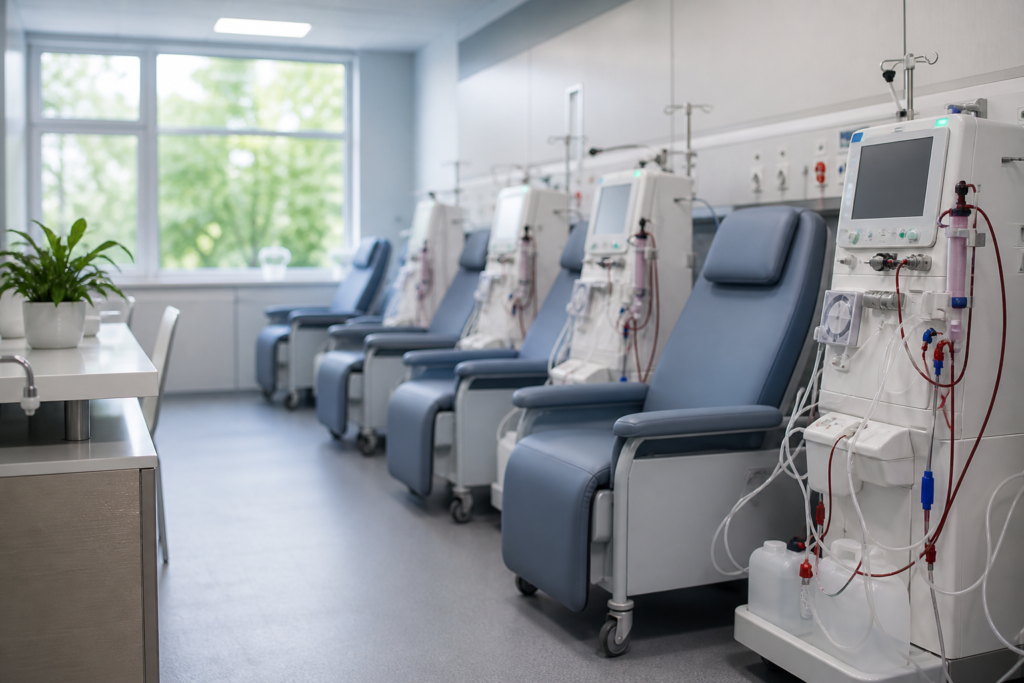
The landscape of healthcare delivery in Gauteng is shifting from massive, centralized state and private hospitals toward specialized, community-based clinics. In the Randburg precinct, this trend is most visible in the development of renal care facilities. For the South African contractor and property developer, the “integrated kidney care” model represents a complex intersection of civil engineering, MEP (Mechanical, Electrical, and Plumbing) precision, and clinical compliance. Recent data suggests that the integration of advanced infrastructure with specialized clinical management is significantly improving patient outcomes, reducing hospitalization rates, and enhancing the efficiency of dialysis in Randburg.
For the building sector, the challenge lies in moving beyond basic shell-and-core construction. A facility designed for Advanced Renal Care must adhere to stringent Department of Health regulations (R158) and SANS building standards, where every square meter is optimized for both patient safety and technical reliability. When we speak of “integrated care,” we are effectively discussing a building that functions as a life-support system.
The Technical Requirements of Renal Infrastructure
A primary driver of improved patient outcomes in specialized clinics is the reliability of the facility’s internal systems. Unlike standard commercial builds, a renal clinic requires a level of precision that many general contractors may find daunting. The construction and maintenance of these facilities revolve around three core technical pillars:
1. High-Purity Water Treatment Systems
Dialysis requires an enormous volume of ultrapure water. The “Integrated Care” model relies on the installation of sophisticated Reverse Osmosis (RO) plants. For the builder, this means specialized plumbing layouts that prevent biofilm buildup and ensure zero contamination. Use of medical-grade PEX or stainless steel piping is often mandatory, and the gradient of drainage systems must be meticulously calculated to handle chemical discharge from the cleaning cycles of dialysis machines.
2. Power Continuity and Load Shedding Resilience
In the South African context, the energy crisis remains the single greatest threat to patient outcomes. Integrated care facilities in Randburg are now being built with triple-redundancy power systems. This includes industrial-scale UPS systems to bridge the gap between grid failure and generator kick-in, often coupled with extensive solar PV arrays. Contractors must ensure that the electrical reticulation can support the high draw of multiple dialysis units while maintaining dedicated circuits for life-critical monitoring equipment.
3. HVAC and Infection Control
Airflow management is critical in improving long-term health outcomes for renal patients, who are often immunocompromised. This requires a sophisticated approach to HVAC design, focusing on HEPA filtration and specific air-change rates per hour (ACH). For a provider like Advanced Renal Care, the physical environment must minimize the risk of cross-infection, requiring seamless floor finishes (such as coved vinyl) and antimicrobial wall coatings that can withstand rigorous clinical cleaning protocols.
The Randburg Case Study: Why Location and Layout Matter
Randburg has become a focal point for integrated renal care due to its accessibility and the density of its residential-commercial mix. However, the conversion of existing office space into specialized medical suites presents unique structural challenges. Floor loading is a significant consideration; the combined weight of RO water tanks, backup generators, and the heavy-duty chairs used for dialysis in Randburg clinics often exceeds standard office load-bearing capacities.
Structural engineers and contractors are now being called upon to reinforce slabs and optimize the “patient flow” layout. An integrated model prioritizes a “pods” system rather than large, open-plan wards. This layout allows for better observation by nursing staff and limits the spread of pathogens—a design choice that has been directly linked to the improved patient data coming out of the region.
Compliance and the NHBRC/SANS Framework
Building for the renal sector requires a deep understanding of the South African regulatory framework. Beyond the standard SANS 10400 requirements, contractors must navigate the specific demands of the Office of Health Standards Compliance (OHSC). This includes:
- SANS 10142-1: Ensuring electrical installations in medical locations meet “Group 2” requirements (where power failure can be life-threatening).
- Medical Gas Reticulation: While not as oxygen-intensive as an ICU, renal units require specific vacuum and gas points for emergency interventions.
- Acoustic Insulation: Patient outcomes are improved when stress levels are low. Modern clinic builds utilize high-spec acoustic ceilings and partitioned consult rooms to ensure privacy and a calm environment.
The Economic Outlook for Medical Construction
As healthcare providers like Advanced Renal Care continue to expand their footprint, the opportunities for specialized contractors in Gauteng are growing. The “Integrated Kidney Care” model is more than a medical philosophy; it is a blueprint for a more resilient, tech-heavy breed of South African architecture. For the local builder, success in this niche requires an uncompromising commitment to technical specs and an understanding that in a renal clinic, the quality of the brickwork, the purity of the pipes, and the reliability of the DB board are directly linked to the survival of the patient.
By focusing on these high-specification builds, the construction industry in Randburg is doing more than just erecting walls—it is creating the vital infrastructure that allows specialized medical teams to deliver life-saving care with higher success rates than ever before.