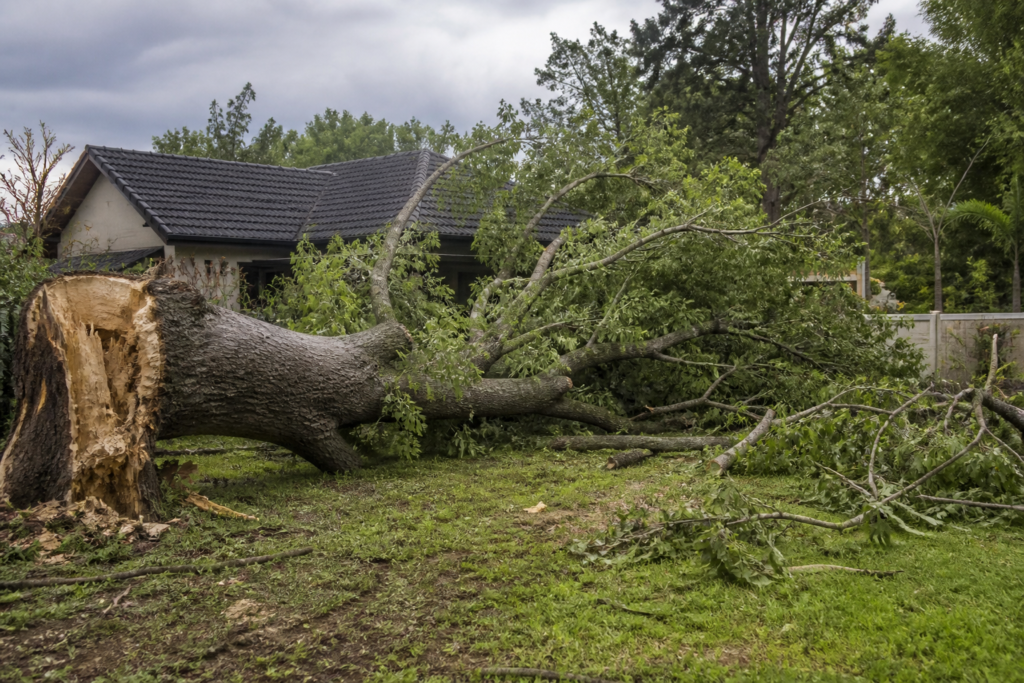
In the high-density residential and industrial corridors of Boksburg, the management of large-scale arboreal assets has shifted from basic maintenance to a critical component of risk management. For contractors, property developers, and facilities managers, the Highveld’s volatile storm season presents a recurring threat: the structural failure of aging or diseased trees. When a multi-ton Eucalyptus or Pine threatens a structural footprint or overhead utility line, the response must be immediate, technical, and fully compliant with occupational health and safety standards. Best Tree Felling has recently optimized its emergency protocols to address these specific localized challenges, ensuring that tree felling in Boksburg remains a controlled technical exercise rather than a chaotic reactive measure.
The Mechanics of Emergency Tree Felling
Emergency tree removal is distinct from standard site clearing. It often involves compromised structural integrity of the tree itself, whether through root heave, lightning strikes, or internal decay (fungal pathogens). In the tight confines of Boksburg’s suburbs, such as Sunward Park or Beyers Park, there is rarely enough “drop zone” for a standard directional fell. This necessitates the use of sectional felling—a method where the tree is dismantled from the canopy down using advanced rigging systems.
Technicians from Best Tree Felling utilize high-tensile rigging lines, pulleys, and friction devices to lower heavy timber sections individually. This controlled descent prevents impact damage to surrounding structures, paving, and underground services (such as fiber optic lines or irrigation systems). For local builders, this precision is vital; a single miscalculation during an emergency removal can result in costly delays to a construction schedule or significant insurance liabilities.
Compliance, Insurance, and SANS Regulations
From a technical standpoint, tree felling is governed by more than just brute force. Contractors must operate within the framework of the Occupational Health and Safety (OHS) Act, specifically regarding work at heights and the operation of specialized machinery like chainsaws and chippers. In South Africa, the industry often looks to SANS (South African National Standards) for best practices in safety equipment and rigging.
Property owners and developers must ensure that any specialized tree removal solutions they employ carry the necessary public liability insurance. In Boksburg, where residential properties often share boundary walls with municipal land or neighboring developments, the risk of third-party damage is high. A professional report from a tree specialist can often be the deciding factor in an insurance payout following storm damage. By engaging experts who understand the local municipal bylaws and safety requirements, property managers can mitigate the financial risks associated with falling debris.
Assessing Tree Stability on Site
For contractors taking over a new site, a pre-construction arboreal assessment is recommended. Look for the following red flags that indicate a tree requires emergency intervention:
- V-Shaped Crothes: Deeply embedded bark at the junction of two major stems, indicating a high probability of splitting.
- Ground Heaving: Visible lifting of the soil or cracked paving at the base of the tree, suggesting the root plate is failing.
- Cavities and Cankers: Open wounds or hollows in the trunk that compromise the vertical load-bearing capacity of the specimen.
- Dieback: Dead branches in the upper canopy that pose a “widow-maker” risk to ground crews.
Site Clearance and Post-Felling Protocols
The job is not complete once the tree is on the ground. Effective site management requires the systematic removal of biomass. In Boksburg’s industrial sectors, this often involves high-capacity wood chippers that reduce brush to mulch, which can then be repurposed for site rehabilitation or erosion control. For residential projects, stump grinding is the preferred method for finishing a removal. Rather than excavating the root ball—which can disturb foundational soil stability—high-speed grinders reduce the stump to below-grade level, allowing for immediate replanting or paving.
Integrating professional site clearance into the early phases of a build ensures that the primary construction team can operate in a safe, unobstructed environment. The evolution of emergency services in Boksburg now means that even the most precarious trees can be managed without disrupting the surrounding urban infrastructure.
The Role of Local Expertise
Boksburg’s unique topography and soil composition—varying from heavy clays to rocky outcrops—influence how trees react to storm stress. Local specialists understand these conditions and can predict failure patterns in common local species like the Jacaranda or various Acacia varieties. When time is of the essence, having a partner who can navigate the local logistics of Boksburg, from municipal permits to power line shutdowns, is the difference between a successful project and a site disaster. Authority in the field is built on this technical foresight and the ability to execute high-risk removals with surgical precision.