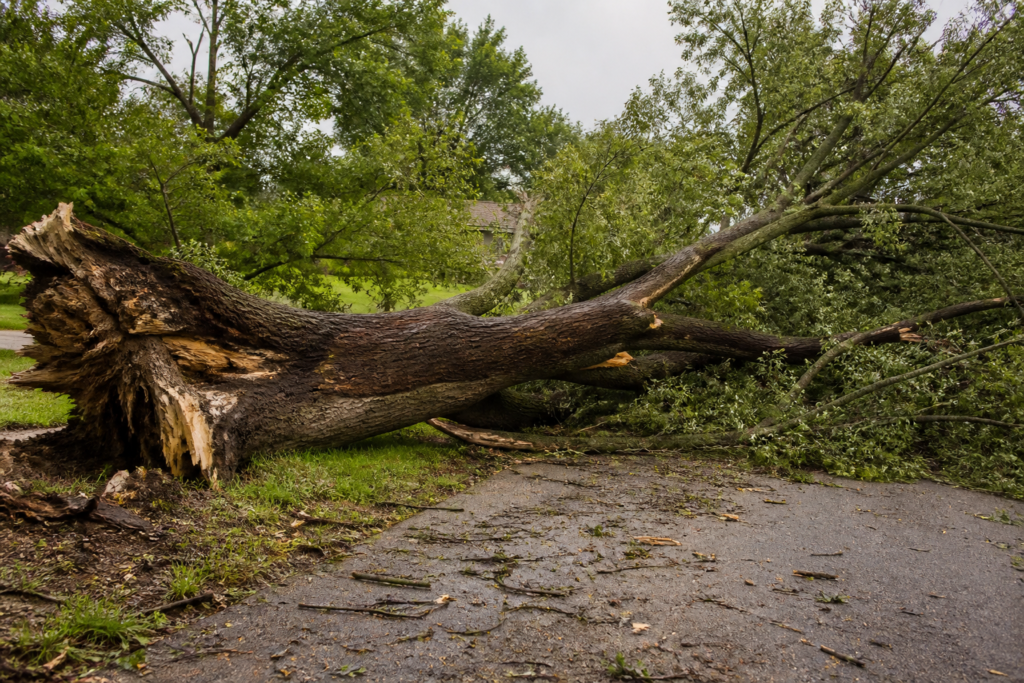
In the high-density residential and industrial zones of Boksburg, the intersection of mature urban forestry and critical infrastructure presents a unique set of challenges for property developers and maintenance contractors. While trees are essential for carbon sequestration and aesthetic value, they become significant liabilities when structural integrity is compromised by Gauteng’s notorious seasonal thunderstorms or long-term root encroachment. Addressing these risks requires more than basic chainsaw proficiency; it demands a technical understanding of physics, rigging, and local regulatory compliance.
The Physics of Emergency Tree Felling
Emergency tree removal is distinct from routine maintenance. When a tree has been partially uprooted or split by a storm, its internal tension and compression points are unpredictable. For contractors operating in Boksburg, identifying these “load-bearing” branches is the first step in a safe extraction. Specialist teams, such as those providing Tree Felling in Boksburg, utilize a method known as sectional dismantling. This involves climbing the tree and removing it piece-by-piece using advanced rigging systems to lower heavy logs slowly, preventing damage to the surrounding structures or underground utilities.
The use of a “gob cut” (or notch cut) and a “back cut” must be executed with mathematical precision. In emergency scenarios where a tree is leaning precariously over a boundary wall or power line, the hinge wood left behind must be thick enough to guide the fall but thin enough to break at the right moment. This is where professional expertise becomes a necessity rather than a luxury for local property owners.
Regulatory Compliance and SANS Standards
From a technical and legal standpoint, tree felling in South Africa is governed by a framework designed to protect both the environment and public safety. Contractors must be aware of the Occupational Health and Safety (OHS) Act, specifically regarding work performed at heights and the operation of heavy machinery. Furthermore, the South African National Standards (SANS) provide guidelines on the safety distances required between trees and electrical infrastructure, a frequent point of contention in Boksburg’s older suburbs.
Engaging specialized emergency response teams ensures that the work is not only physically effective but also legally compliant. This includes adherence to municipal bylaws which may require permits for the removal of certain indigenous species or trees of a specific girth. For construction firms and NHBRC-registered builders, ensuring that site clearing is handled by professionals reduces the risk of liability claims should an accident occur during the felling process.
Mitigating Secondary Risks: Power Lines and Site Security
Boksburg’s industrial corridors often see large trees growing in proximity to high-voltage lines. In an emergency, such as a branch snapping during a heavy downpour, the priority is to clear the hazard without causing a localized blackout or a fire. This requires non-conductive equipment and specialized rope-access techniques.
Site security is another often-overlooked aspect of tree felling. A fallen tree is a magnet for opportunistic “wood-cutters” who may lack the proper PPE or insurance. Professional tree removal services manage the entire site lifecycle, from cordoning off the danger zone with high-visibility tape to the final chipping and removal of debris. Leaving a site cluttered with organic waste is a fire hazard and can lead to pest infestations, particularly termites, which pose a secondary threat to the structural timber of nearby buildings.
Essential Equipment for High-Risk Felling
- High-Stance Rigging Blocks: Used to redirect the force of a falling limb away from the climber and the ground-level assets.
- Top-Handle Chainsaws: Specialized for one-handed operation by climbers in confined aerial spaces.
- Stump Grinders: Necessary for removing the root ball to prevent future regrowths or soil instability during new construction phases.
- Public Liability Insurance: A non-negotiable for any contractor operating in the Boksburg municipal area, covering potential damage to third-party property.
The Importance of Professional Assessment
The most dangerous tree is not always the one that has already fallen. A standing tree with “v-crotches,” fungal growth at the base (conks), or significant dieback in the crown can be a ticking time bomb. Industry experts like Best Tree Felling emphasize that preventative assessments can save property owners significant costs compared to the price of emergency repairs to roofing, fencing, or vehicles. By analyzing the lean of the tree and the health of the root flare, technicians can determine if a tree can be saved through selective pruning or if a full fell is the only safe course of action.
Ultimately, for Boksburg’s residents and contractors, the goal is a balance between maintaining the city’s green canopy and ensuring site safety. When the weather turns or a tree outgrows its footprint, relying on technical proficiency and local expertise is the only way to mitigate the inherent risks of the trade.