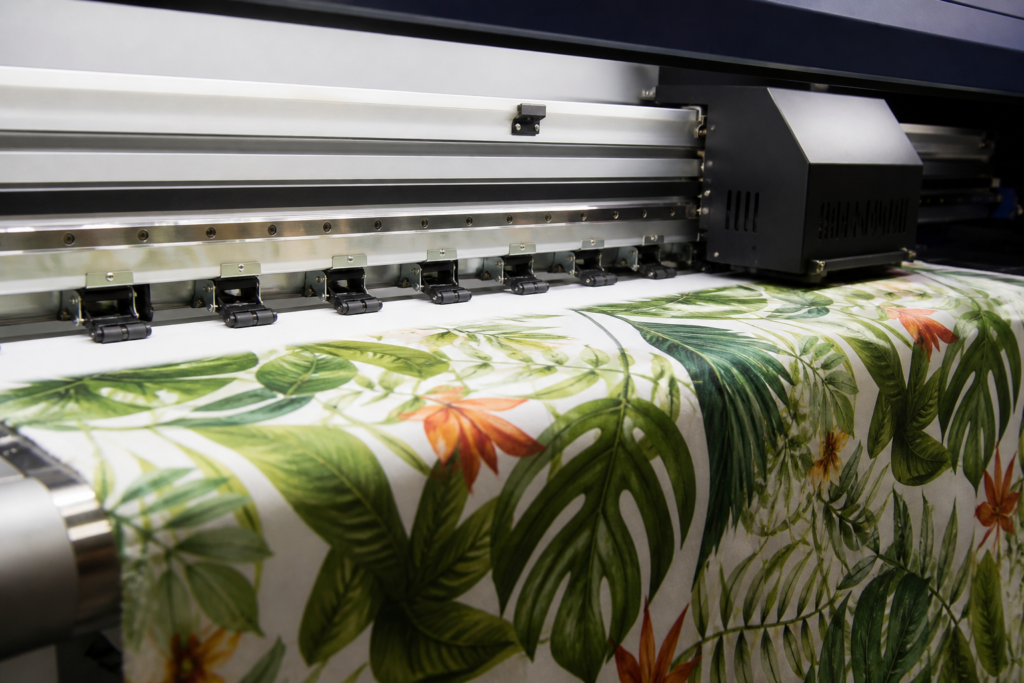
Recent industrial procurement data in Gauteng indicates a decisive shift in how local brands, specialized contractors, and technical apparel manufacturers approach garment branding. As the demand for moisture-wicking polyester performance fabrics grows within the construction and corporate sectors, traditional branding methods are being sidelined in favor of advanced sublimation. This transition is driven by a dual requirement for high-durability gear that can withstand the rigors of South African site conditions and a growing corporate mandate for environmentally sustainable production processes.
The Technical Superiority of Sublimation on Performance Substrates
For the modern contractor or project manager, the durability of branded site wear is a matter of both professional image and long-term cost-efficiency. Traditional screen printing or heat-transfer vinyl (HTV) often fails on high-stretch polyester fabrics, leading to cracking, peeling, or “blocking” of the fabric’s breathable pores. Sublimation printing solves this by utilizing a chemical process where heat converts specialized dyes into a gas, which then bonds molecularly with the polyester fibers.
The result is a permanent, high-definition print that is literally part of the fabric rather than a layer on top of it. In the context of Johannesburg’s harsh UV index and the abrasive nature of site work, this ensures that safety vests, technical polos, and moisture-wicking crew necks maintain their integrity and visibility for the duration of the garment’s lifecycle. Specialists like Pink Crystal Clothing have become instrumental in this space, providing the technical infrastructure required to execute these complex prints on a commercial scale.
Addressing the Eco-Friendly Mandate in South African Manufacturing
The “eco-friendly” tag in South African manufacturing is often dismissed as marketing fluff, but in the textile sector, it refers to measurable reductions in resource consumption. Traditional textile dyeing and screen printing are notorious for high water usage and the discharge of chemical-laden effluent. In contrast, sublimation is a virtually waterless process. Because the ink is transferred directly from paper to fabric via heat, there is no need for the intensive wash cycles typically required to set dyes or clear screens.
Furthermore, the shift toward sublimation printing in Johannesburg aligns with the city’s broader industrial greening initiatives. Local brands are increasingly opting for “dry” printing methods to mitigate the impact of municipal water restrictions and to comply with stricter environmental discharge regulations. By localized production through experts such as Pink Crystal Clothing, firms also reduce the carbon footprint associated with importing pre-branded technical gear from overseas, supporting the local circular economy while maintaining international quality standards.
Performance Fabrics and Site Safety: A Functional Synergy
In the South African construction landscape, the rise of performance fabrics is not merely a fashion trend; it is a functional evolution. High-visibility (Hi-Viz) requirements under SANS 20471 necessitate materials that can hold vibrant fluorescent dyes without fading. Polyester-based performance fabrics are the ideal substrate for these requirements, but they require a branding method that does not compromise their technical properties.
- Breathability: Sublimation does not clog the weave of the fabric, ensuring that the moisture-wicking properties of high-end trade shirts remain fully functional.
- UV Resistance: The molecular bond formed during sublimation is highly resistant to UV degradation, a critical factor for South African crews working outdoors.
- Weight Reduction: Unlike heavy embroidery or thick screen-print inks, sublimation adds zero weight to the garment, reducing wearer fatigue in high-heat environments.
Contractors are increasingly specifying these technical requirements in their uniform tenders. This has led to a surge in demand for local facilities capable of handling bulk custom performance apparel. The ability to produce small-batch, high-complexity designs—such as intricate site maps on safety vests or precise corporate pantone matching—without the setup costs of traditional screens has made sublimation the go-to choice for Johannesburg’s agile building and engineering firms.
Future Outlook: Scaling Local Production
As Johannesburg continues to position itself as a hub for industrial innovation, the convergence of textile technology and sustainable manufacturing will likely accelerate. The move toward polyester performance fabrics is expected to expand beyond basic apparel into specialized PPE, site upholstery, and even architectural fabrics. For the local builder or developer, understanding these shifts is essential for procurement strategies that balance brand visibility with environmental responsibility. Working with established entities like Pink Crystal Clothing allows local firms to leverage global printing standards while directly contributing to the growth of the Gauteng manufacturing sector.
Ultimately, the rise in demand for eco-friendly sublimation represents a maturing market. It is a shift away from “disposable” corporate wear toward high-performance, long-lasting gear that respects both the wearer’s comfort and the planet’s resources. For the South African construction industry, this is a clear win for durability, compliance, and professional standards.