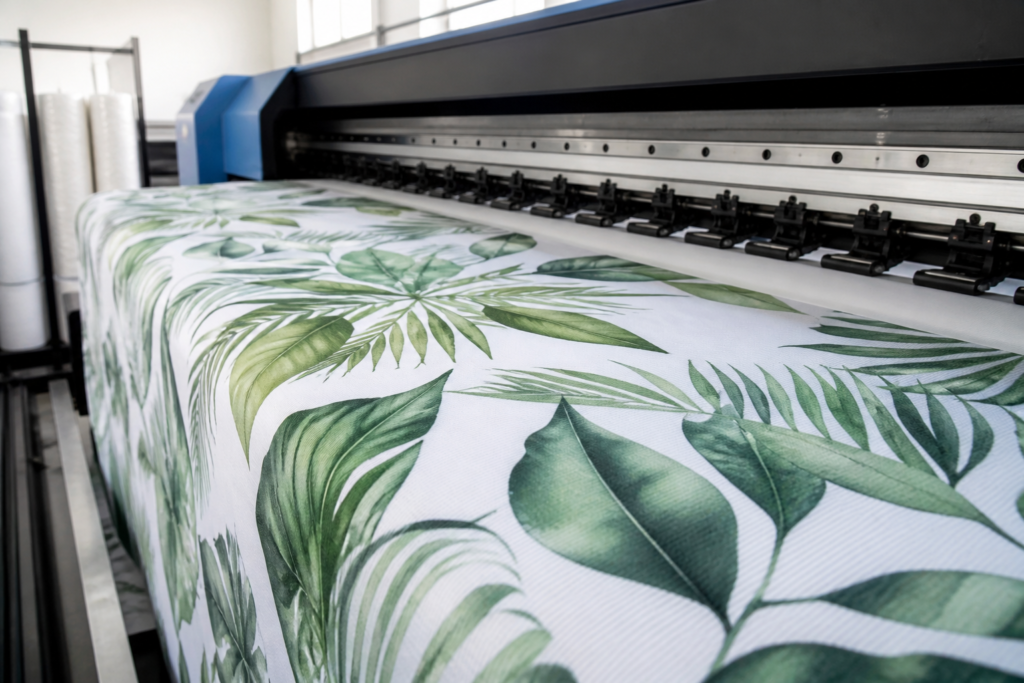
The Johannesburg manufacturing and construction landscape is witnessing a significant shift in how corporate identity and site-wear are produced. As local brands and contracting firms move away from traditional heavy cottons toward high-performance polyester fabrics, the demand for sophisticated branding methods has surged. Data from the first three quarters of the year indicates a marked increase in the adoption of eco-friendly sublimation techniques, particularly among firms looking for durability in the harsh Gauteng climate.
The Technical Shift to Polyester Performance Fabrics
In the South African building sector, durability is a non-negotiable requirement for site apparel. Traditional screen printing, while effective for low-intensity use, often fails under the mechanical stress and UV exposure typical of Johannesburg construction sites. This has led to a pivot toward moisture-wicking polyester blends. Unlike natural fibers, these synthetic fabrics require a molecular-level bonding process to ensure branding does not crack, peel, or fade.
This is where high-quality sublimation printing in Johannesburg has become the industry standard. By utilizing heat to turn ink into a gas that permeates the fabric fibers, the resulting image becomes part of the textile itself. For a contractor or site manager, this means safety vests and branded polo shirts maintain their professional appearance and high-visibility properties far longer than those treated with topical inks.
Eco-Friendly Manufacturing and Resource Management
Sustainability is no longer a corporate buzzword but a procurement requirement, often tied to local sourcing initiatives and green building certifications. Traditional textile dyeing and printing are notoriously water-intensive. In a water-scarce region like Gauteng, the shift toward sublimation is driven by its dry process. Because the ink is infused directly into the substrate via heat press, there is virtually zero liquid waste or chemical runoff.
Industry specialist Pink Crystal Clothing has noted that corporate clients are increasingly auditing the environmental footprint of their supply chains. By focusing on sublimation printing in Johannesburg, local manufacturers are able to reduce the carbon footprint associated with imported finished goods while adhering to more stringent environmental standards. This localized production also offers a hedge against the logistical delays often seen in international shipping, providing a more resilient supply chain for large-scale development projects.
Compliance and Durability in Site Conditions
From a technical standpoint, the integration of branding onto performance fabrics must not compromise the integrity of the garment. In the construction trade, breathability is essential for worker safety and heat stress management. Traditional “thick” prints block the weave of the fabric, effectively creating a plastic barrier that traps heat. Sublimation maintains the fabric’s original porosity, ensuring that moisture-wicking properties remain fully functional.
Furthermore, adherence to SANS textile standards is critical when dealing with high-visibility gear. Sublimation allows for the precise reproduction of safety-compliant colors that do not wash out. For Johannesburg-based firms, the ability to produce these garments locally means faster turnaround times for new site intakes and the ability to maintain a consistent corporate identity across various sub-contracting teams.
Key Advantages for South African Contractors:
- UV Resistance: Sublimated inks are highly resistant to the high-UV index found in the highveld, preventing the “fading out” of corporate logos.
- Mechanical Strength: The print cannot be “scratched off” during physical labor or site inspections.
- Load-Shedding Resilience: Localized, smaller-scale sublimation setups in Johannesburg are often more agile than massive textile mills, allowing for better production scheduling around regional power constraints.
- Cost-Effectiveness: While the initial garment cost may be higher than basic cotton, the extended lifecycle of performance polyester reduces the total cost of ownership (TCO) for the firm.
Conclusion
The transition toward eco-friendly sublimation printing is a reflection of a maturing Johannesburg building industry that values technical performance over short-term savings. As brands like Pink Crystal Clothing continue to refine these processes, the move toward sustainable, high-performance site-wear is likely to become the baseline for all major South African construction and engineering firms.