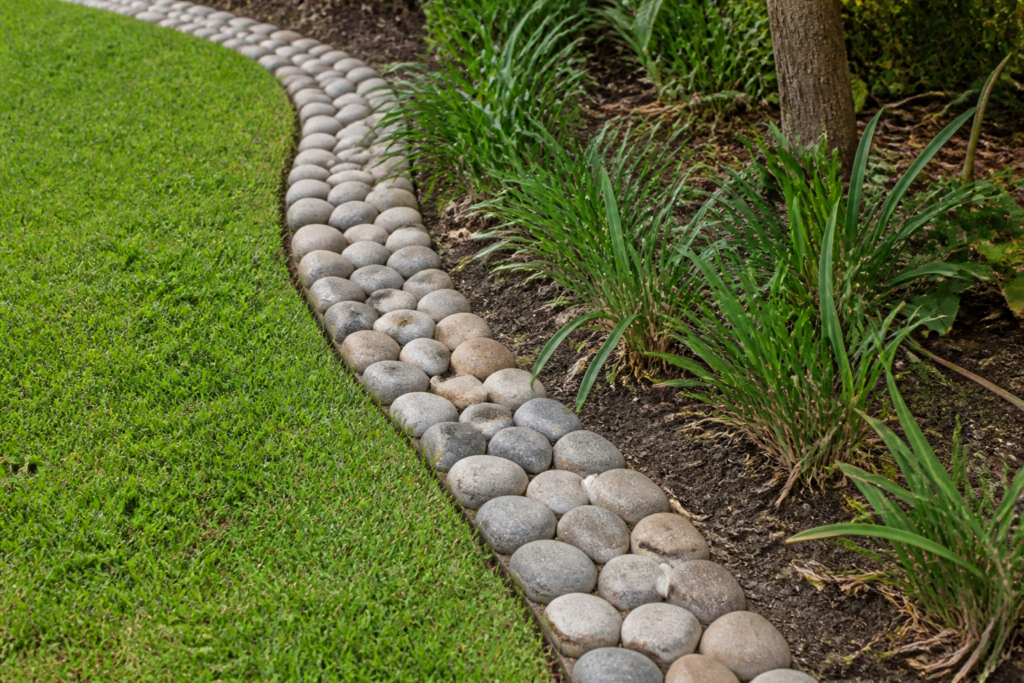
For contractors and property developers operating in Gauteng, the annual summer rainfall season presents a recurring challenge: the management of high-velocity stormwater runoff. In the Johannesburg region, the combination of steep gradients in areas like Northcliff or Helderkruin and the hydrophobic nature of dry Highveld soils during the first spring rains leads to significant topsoil displacement and siltation of drainage systems. While often viewed through an aesthetic lens, Professional Garden Edging in Johannesburg serves a critical civil function by acting as a first-line barrier against sheet erosion and ensuring the structural integrity of both soft and hard landscaping.
The Mechanics of Highveld Soil Displacement
The Highveld is characterized by intense, short-duration convective thundershowers. When these storms hit uncontained garden beds, the kinetic energy of the rain detaches soil particles, which are then transported by overland flow. This does more than just ruin a garden; it leads to the “silting up” of downpipes, subterranean drains, and municipal stormwater inlets. Furthermore, constant erosion at the edge of paved surfaces can lead to the undermining of sub-base layers, eventually causing pavers to sink or tilt.
Utilizing high-quality Professional Garden Edging in Johannesburg is a strategic intervention. By creating a physical boundary that is slightly elevated above the soil line, contractors can effectively “break” the flow of water, allowing it to percolate into the ground rather than gaining the velocity required to carry away topsoil and mulch.
Engineering Stability: Why Material Choice Matters
In the South African context, material durability is paramount. While plastic or thin timber edging may suffice in milder climates, they frequently fail under the harsh UV index and extreme temperature fluctuations of the Johannesburg interior. Over time, inferior materials warp or become brittle, losing their ability to retain soil during heavy downpours.
Industry specialists, such as Garden Cobble Edging, advocate for the use of concrete-based cobble systems. These provide the mass necessary to resist the lateral pressure of saturated soil—a common cause of edging failure during the peak of the rainy season. From a technical standpoint, a permanent, mortar-set cobble edge provides a definitive “stop” for lawn grass species like Kikuyu, which are notoriously invasive and can compromise the structural layers of adjacent walkways if not strictly contained through effective soil stabilization techniques.
SANS Compliance and Site Drainage Requirements
While the NHBRC and SANS 10400 standards focus heavily on building foundations and roof structures, the management of site water (Section R: Stormwater Disposal) is a mandatory consideration for any professional builder. Poorly managed garden runoff that pools against a boundary wall or a house foundation can lead to rising damp or even structural subsidence in expansive clay soils.
The implementation of professional edging should be integrated into the site’s overall drainage plan. By using specialist garden edging services, contractors ensure that garden levels are maintained correctly relative to the “Finished Floor Level” (FFL) of the main structure. This prevents the “ponding” effect where water is trapped between the house and a raised garden bed, a common error in amateur landscaping that leads to long-term damp proofing failures.
Key Installation Standards for Contractors:
- Trenching Depth: For cobble edging to be effective against erosion, it must be keyed into the ground. A shallow installation will simply be washed away or bypassed by water flowing underneath.
- Mortar Consistency: A standard 3:1 or 4:1 sand-cement mix is recommended to ensure the edging remains monolithic under the stress of soil expansion and contraction.
- Compaction: The soil behind the edging must be properly compacted to prevent air pockets where water can collect and create hydrostatic pressure.
Long-term Asset Protection
From a property management perspective, the cost-to-benefit ratio of professional edging is highly favorable. The expense of replacing lost topsoil, replanting washed-out beds, and cleaning silted driveways after every major storm far exceeds the initial investment in a robust edging system. Furthermore, for commercial properties, clean lines and well-contained beds reduce the man-hours required for edge trimming and general garden maintenance.
When Garden Cobble Edging installs a system, they aren’t just defining a flower bed; they are installing a permanent site management tool. For the Johannesburg builder or property owner, this means less time spent on damage control after a Highveld storm and more confidence in the longevity of the site’s hardscaping infrastructure. As urban densification continues in Gauteng, managing every drop of water on a property becomes not just a matter of aesthetics, but a requirement for sustainable civil engineering.