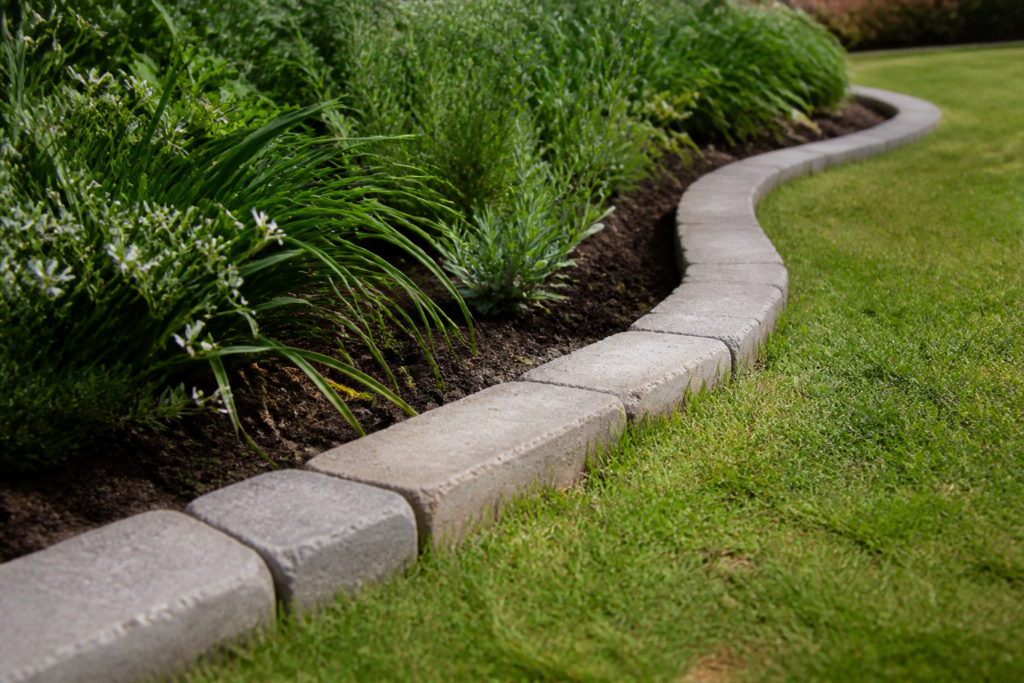
For contractors and property developers operating in the Greater Johannesburg area, the arrival of the summer storm season brings a recurring technical challenge: high-velocity soil erosion. The Gauteng Highveld is characterized by intense convective thunderstorms that can drop significant volumes of water in short durations, often exceeding the infiltration capacity of local soils. Without proper containment, this runoff leads to topsoil stripping, siltation of drainage systems, and the gradual destabilization of adjacent hardscaping like driveways and walkways. In response to this demand for structural land management, Garden Cobble Edging has announced an expansion of its specialized services, focusing on Professional Garden Edging in Johannesburg to provide robust, permanent solutions for soil retention.
The Mechanics of Highveld Soil Displacement
The topography of Johannesburg, often featuring significant gradients and diverse soil profiles—from expansive clays to sandy luvic soils—requires a more sophisticated approach than simple aesthetic border placement. When rain hits an unprotected garden bed on a slope, the kinetic energy of the droplets detaches soil particles, which are then transported by sheet flow. This doesn’t just ruin the landscaping; it often leads to “undercutting,” where water seeps beneath paved surfaces, eventually causing cracking or subsidence.
Professional-grade edging acts as a technical barrier, breaking the velocity of surface runoff and encouraging localized infiltration. By creating a definitive height differential between the soil and the hardscape, a well-installed cobble or concrete edge serves as a silt trap. For developers adhering to NHBRC standards regarding site drainage and moisture control around foundations, integrating high-quality edging is a proactive measure against long-term structural degradation.
Technical Advantages of Cobble and Concrete Systems
While plastic or timber edging products are available on the market, they frequently fail under the harsh South African UV index and the mechanical stress of Highveld storms. Timber is susceptible to rot and termite infestation, while thin plastics tend to buckle or heave during the expansion and contraction cycles of Johannesburg’s soil. Specialist contractors like Garden Cobble Edging advocate for the use of cementitious and stone-based materials for several technical reasons:
- Structural Mass: Heavier cobble systems remain seated during heavy saturation, preventing the “floating” effect often seen with lightweight alternatives.
- Thermal Stability: Concrete and natural stone have lower thermal expansion coefficients than PVC, ensuring that the lines remain true even during 30-degree temperature swings.
- Maintenance Efficiency: A flush-mounted or slightly raised cobble edge provides a definitive “mowing strip,” reducing mechanical damage to the border from brush cutters and lawnmowers.
Installation Standards and Site Compliance
The effectiveness of an edging system is entirely dependent on the quality of the trenching and the base preparation. Industry best practices dictate that edging should be set into a compacted bedding of sharp sand or a weak mortar mix, depending on the anticipated lateral pressure from the soil. This prevents the edging from shifting over time—a common point of failure in DIY installations. By expanding their footprint, the team at Garden Cobble Edging Johannesburg is bringing professional-grade site assessment to residential and commercial projects, ensuring that the edging depth and material choice are calibrated to the specific slope and soil type of the property.
Integrating Edging into Sustainable Drainage Systems (SuDS)
Modern South African urban design is increasingly moving toward Sustainable Drainage Systems (SuDS). In this framework, garden edging is not merely a perimeter; it is a component of a larger water management strategy. By using permeable gaps or strategic heights, edging can direct excess water toward bioswales or attenuation tanks rather than allowing it to flood municipal infrastructure. This level of planning is becoming a requirement for new developments in Gauteng to alleviate the pressure on aging stormwater systems.
The Impact on Property Value and Long-Term Maintenance
For the property owner, the technical benefits of professional edging translate directly into lower maintenance costs. By preventing soil and mulch from washing onto paved areas, the need for constant pressure cleaning and manual sweeping is mitigated. Furthermore, a permanent, professionally installed border defines the “curb appeal” of a property, providing the clean, geometric lines that are a hallmark of high-end Johannesburg real estate. As the building sector looks toward more resilient and climate-adaptive practices, the move from decorative borders to engineered soil-retention systems represents a necessary shift in Highveld landscaping standards.