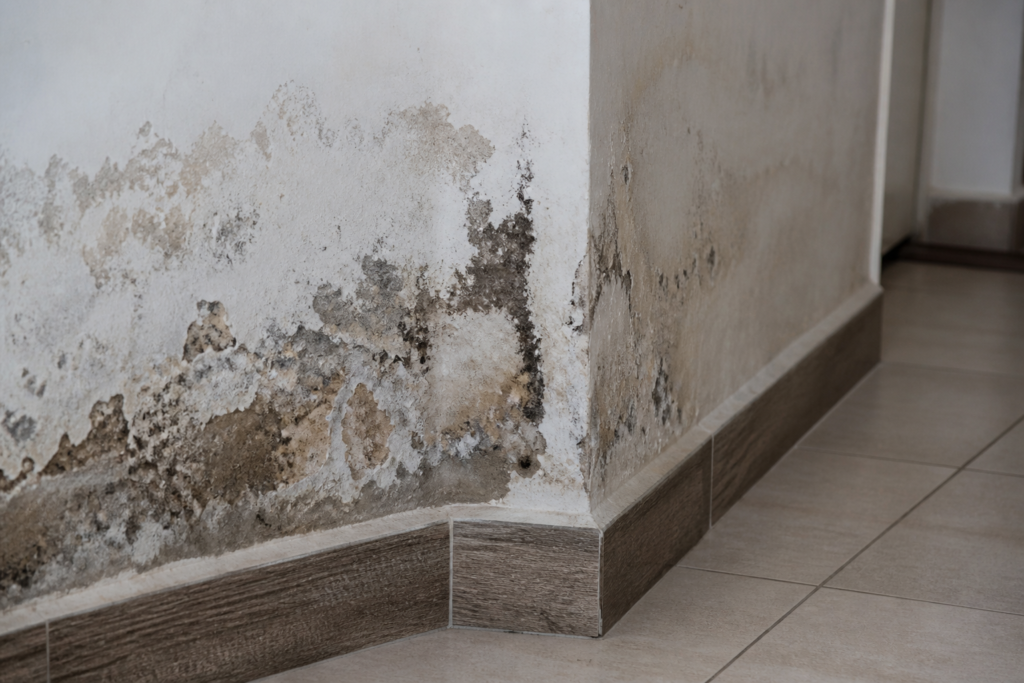
For contractors and property owners in Edenvale, moisture ingress remains one of the most persistent threats to structural integrity and asset value. The geological profile of the East Rand, combined with the aging infrastructure of established suburbs like Dunvegan and Edenglen, necessitates a sophisticated approach to moisture control. Effective mitigation is no longer about applying a generic sealant; it requires a technical understanding of capillary action, hydrostatic pressure, and the specific material science required to restore a building’s protective envelope. Specialist contractors like Quality Dampproofing are now pivoting toward custom-tailored remediation strategies that move beyond “one-size-fits-all” applications to address the unique variables of the Edenvale landscape.
The Mechanics of Moisture Ingress in the East Rand
Dampness in South African coastal regions is often atmospheric, but in the Gauteng Highveld, the primary culprits are rising damp and lateral penetration. In many Edenvale properties constructed several decades ago, the original bitumen-based Damp Proof Course (DPC) has often reached its shelf life or was compromised during subsequent renovations. When a DPC fails, groundwater is drawn upward through the microscopic pores of the brickwork and mortar via capillary action.
This process carries hygroscopic salts from the soil into the masonry. As the water evaporates from the interior walls, these salts crystallize, causing efflorescence and the characteristic bubbling of plaster. To combat this, professional damp proofing methodologies must be employed to create a new, permanent chemical or physical barrier at the base of the structure.
Diagnostic Precision and Custom Remediation
A critical error often made by general maintenance crews is treating the symptoms—such as painting over damp spots—rather than the source. A technical assessment must first distinguish between rising damp, falling damp (leaking gutters or parapets), and penetrative damp caused by high ground levels or poor drainage.
Quality Dampproofing emphasizes a diagnostic-first approach for damp proofing in Edenvale, where soil saturation levels can vary significantly between the rainy summer months and the dry winter season. Their specialized services focus on several core technical interventions:
- Chemical Pressure Injection: This involves drilling into the mortar course at a predetermined depth and injecting a silane/siloxane-based cream or fluid. This material migrates into the masonry pores, creating a hydrophobic layer that prevents water from rising.
- Tanking Systems: In cases where properties are built on slopes—common in certain pockets of Edenvale—lateral damp becomes a major issue. Cementitious tanking slurries are applied to subterranean walls to withstand hydrostatic pressure.
- Sub-surface Drainage: Often, the solution lies in managing the water table around the foundation through French drains or improved site grading to ensure runoff is directed away from the footings.
Regulatory Compliance and SANS 10400 Standards
From a regulatory standpoint, all damp proofing work must align with the South African National Standards (SANS). Specifically, SANS 10400-V (Space Heating) and the broader National Building Regulations dictate the requirements for keeping a building dry and habitable. For contractors, ensuring that the remedial work meets NHBRC requirements is vital for the long-term bankability and insurability of the property.
Industry experts at Quality Dampproofing note that non-compliant repairs often lead to secondary issues, such as dry rot in timber flooring or compromised electrical conduits within the walls. By utilizing SABS-approved materials and following rigorous preparation protocols—such as stripping contaminated plaster to at least 300mm above the highest visible damp line—technicians ensure that the repair withstands the rigors of the local climate.
The Impact of Load Shedding on Moisture Control
An often-overlooked factor in the Gauteng building sector is the impact of power instability on moisture management. Properties that rely on electric sump pumps to manage high water tables or basement seepage are particularly vulnerable during extended load-shedding windows. This has led to a surge in demand for passive damp proofing solutions and gravity-fed drainage systems that do not rely on the municipal grid. When planning a moisture control strategy, tradespeople must account for these operational realities to provide clients with resilient, “off-grid” structural protection.
Conclusion for the Trade
The successful remediation of damp in Edenvale requires more than just high-quality chemicals; it requires a localized understanding of how Gauteng’s environmental factors interact with specific building eras. For the professional builder or property manager, partnering with specialists who understand the nuances of the National Building Regulations and the specific hydrogeology of the East Rand is the only way to guarantee a dry, compliant, and durable structure. Technical proficiency in damp proofing is not an optional extra; it is a fundamental requirement for the preservation of the South African built environment.