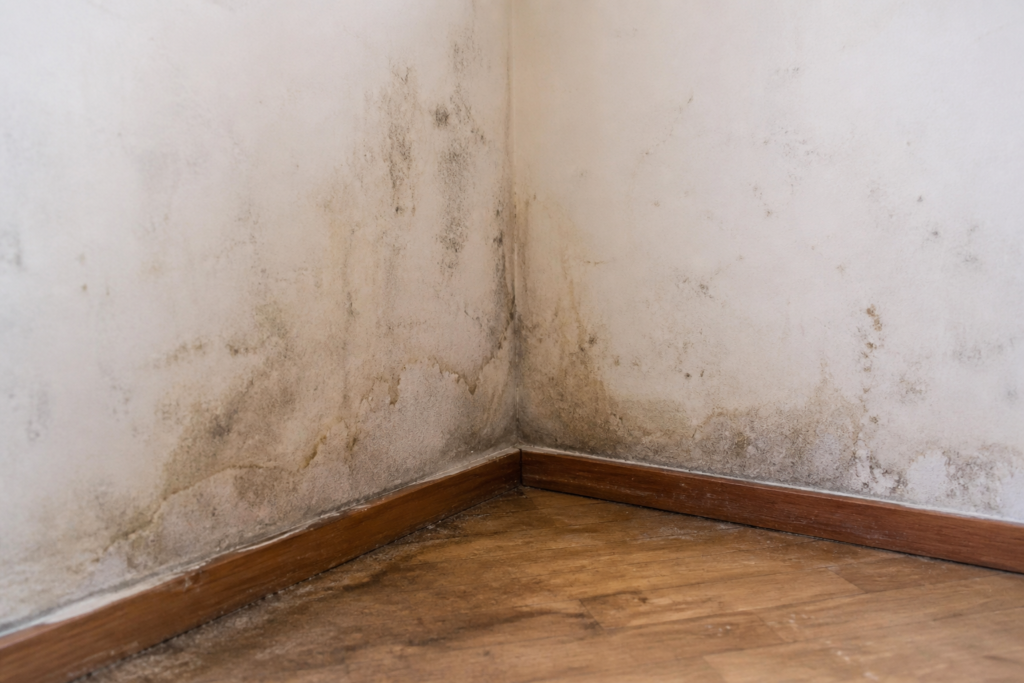
For contractors and property owners in Edenvale, managing moisture ingress is a critical component of structural maintenance and asset preservation. Given the region’s specific geological profile—characterized by pockets of clay-rich soil and a relatively high water table in lower-lying areas—standardized waterproofing often fails to address the root causes of rising and lateral damp. To combat these localized challenges, Quality Dampproofing has introduced a series of custom-tailored remedial services designed to align technical intervention with the specific environmental variables found in the Edenvale property market.
The Mechanics of Damp in Edenvale Properties
The prevalence of damp in older Edenvale builds is rarely the result of a single factor. Most frequently, it stems from the breakdown of the original Damp Proof Course (DPC) or the bridging of the DPC by external ground levels and paving. In South African construction, specifically under SANS 10400 guidelines, the integrity of the DPC is paramount to preventing capillary action, where groundwater is drawn upward through the porous structure of brickwork and mortar.
When moisture carries dissolved nitrates and chlorides from the soil into the masonry, it results in efflorescence—the white, powdery salt deposits often seen on deteriorating walls. If left untreated, these hygroscopic salts continue to attract atmospheric moisture, ensuring the wall remains damp even during the dry Gauteng winters. Effectively addressing this requires more than a surface-level coat of paint; it demands a forensic approach to moisture identification and chemical intervention.
Diagnostic Precision and Tailored Remediation
A “one-size-fits-all” approach to damp is often the primary reason for recurring failures in residential maintenance. Modern remediation now relies on non-destructive moisture meters and thermal imaging to map the extent of moisture spread before any physical work begins. Specialist contractors, such as Quality Dampproofing, utilize these diagnostic tools to determine whether the issue is rising damp, penetrating damp from faulty rainwater goods, or lateral damp caused by high ground levels.
Chemical DPC Injection and Tanking Systems
For properties where the original DPC has failed, the industry standard involves the pressure or gravity injection of a silane/siloxane-based cream. This creates a hydrophobic barrier within the mortar bed, effectively “re-sleeving” the wall against moisture. However, in Edenvale’s older split-level homes, lateral damp often requires a “tanking” approach. This involves the application of cementitious waterproof coatings or high-density polyethylene membranes to the internal face of walls that are partially below the external ground line.
- Chemical Injection: Ideal for rising damp in single-skin or cavity brick walls.
- Cementitious Tanking: Used to resist lateral water pressure in basements or retaining walls.
- Sub-soil Drainage: Often required alongside damp proofing to redirect hydrostatic pressure away from the foundation.
Compliance and Long-Term Structural Integrity
In the South African property sector, NHBRC compliance and adherence to SANS regulations are non-negotiable for maintaining property value. Damp issues are a leading cause of failed structural inspections during property transfers. By utilizing comprehensive site assessments and specialized application techniques, contractors can ensure that remedial work meets the necessary standards for both durability and health. Damp environments are known catalysts for mold growth (Aspergillus and Penicillium), which can compromise indoor air quality and the health of occupants.
Selecting the Correct Plaster System
A critical, yet often overlooked, step in the damp-proofing process is the re-plastering phase. Standard gypsum-based plasters are highly absorbent and should never be used over a newly injected DPC. Instead, a salt-retardant render—typically a 3:1 sand-and-cement mix integrated with a specialized waterproofing additive—must be applied. This render acts as a secondary barrier, allowing the masonry behind it to dry out while preventing residual salts from reaching the new decorative surface.
Conclusion
Effective damp proofing in Edenvale requires a move away from generic hardware-store solutions toward engineered, site-specific interventions. For the local builder and property manager, understanding the interplay between soil composition, DPC integrity, and correct chemical application is essential. By engaging with specialist entities that prioritize diagnostic accuracy over quick-fix aesthetics, the industry can better protect the structural longevity of the East Rand’s residential infrastructure.