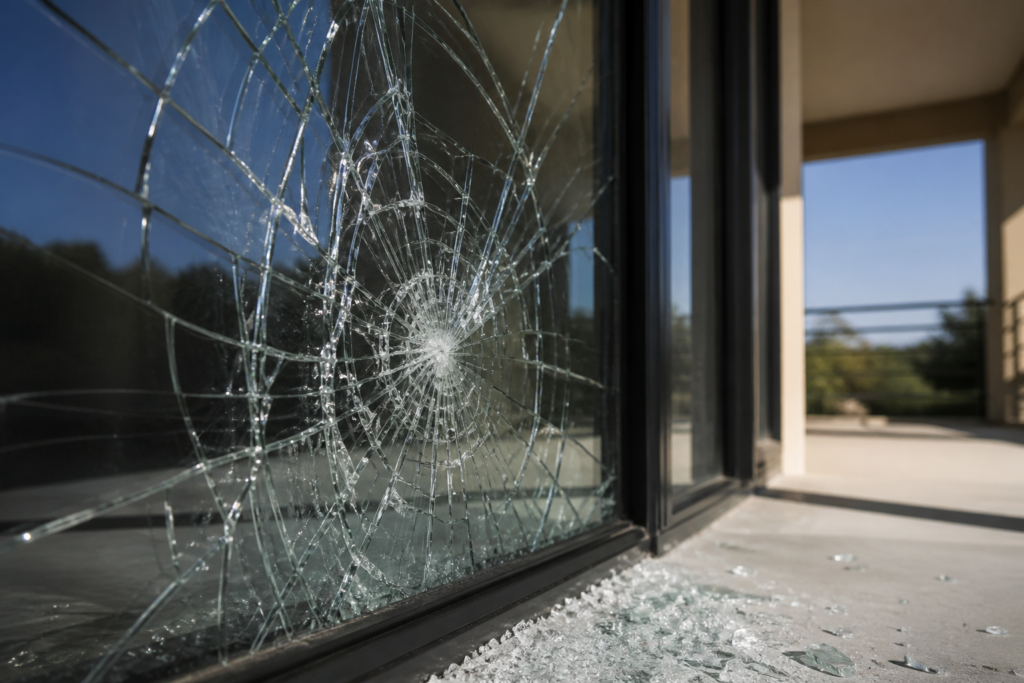
For site managers, commercial property owners, and residential contractors in Johannesburg, a compromised building envelope is more than a maintenance headache—it is a critical security and safety liability. Whether the cause is a high-velocity hailstorm, structural settling, or a security breach, the immediate restoration of glazing is essential to maintain the integrity of the structure and ensure compliance with South African building regulations. The recent expansion of 24 Hour Glass into express emergency services across Gauteng addresses a significant gap in the market: the need for rapid, SANS-compliant glazing restoration that operates outside standard business hours.
Compliance with SANS 10400-N: The Regulatory Framework
Emergency glass replacement is not a simple matter of “like-for-like” substitution. In South Africa, all glazing installations must strictly adhere to SANS 10400-N (The Application of the National Building Regulations – Part N: Glazing). This regulation dictates the thickness, type, and safety characteristics of glass based on its application, height from the floor, and the potential for human impact.
When an emergency occurs, particularly in high-traffic commercial environments or educational facilities, the replacement glass must meet specific safety standards. For instance, panes located in doors or adjacent to floor levels generally require toughened (tempered) glass or laminated safety glass. Professional service providers like 24 Hour Glass prioritize the installation of PVB-interlayer laminated glass in security-sensitive areas, as it remains intact within the frame even when fractured, preventing unauthorized entry and reducing the risk of injury from falling shards.
Safety Glass Categories and Site Applications
- Laminated Safety Glass: Composed of two or more layers of glass bonded with a plastic interlayer. Essential for shopfronts and high-security residential zones in Johannesburg.
- Toughened Glass: Processed through controlled thermal or chemical treatments to increase strength. It is mandatory for certain frameless installations but cannot be cut on-site, requiring precise measurement before tempering.
- Wired Glass: Often used for fire-retardant properties, though its use as “safety glass” in impact zones is increasingly limited by modern standards.
Logistical Challenges of Express Glazing in Johannesburg
The Gauteng landscape presents unique logistical hurdles for emergency responders. High traffic volumes on the N1, M1, and R24 corridors, coupled with the security requirements of gated estates and industrial parks, necessitate a highly coordinated dispatch system. An “express” service in this context implies more than just speed; it requires a mobile workshop equipped with the necessary tools for on-site cutting of monolithic and laminated glass to ensure a first-visit resolution whenever possible.
Specialist contractors operating in this space must maintain a diverse inventory of glass stock, including clear float glass, tinted solar-control glass, and various thicknesses of safety laminate. For property owners, the value of an express service lies in the reduction of “board-up” time. While temporary boarding is sometimes necessary for specialized units like double-glazed sealed units (IGUs) that require factory lead times, the goal of 24 Hour Glass is to achieve permanent restoration in a single call-out, thereby minimizing secondary labor costs and site vulnerability.
Technical Steps in Emergency Glass Restoration
A professional emergency replacement follows a rigid technical protocol to ensure the longevity of the repair and the safety of the occupants:
1. Site Assessment and Hazard Mitigation
The technician first secures the area, removing loose shards and assessing the frame (be it aluminum, timber, or steel) for structural damage. In many Johannesburg commercial properties, the frames may be distorted during a break-in, requiring minor remedial metalwork before new glass can be seated.
2. Specification and Sizing
Using precision measuring equipment, the technician determines the required glass thickness. In South Africa, common residential glass is 3mm or 4mm, but safety regulations often mandate 6.38mm laminated glass for larger openings. Incorrectly specifying glass thickness can lead to rattling, water ingress, or catastrophic failure under wind loads.
3. Glazing and Sealing
The choice of sealant is critical. While traditional putty is still used in older steel or timber frames, modern aluminum systems rely on EPDM gaskets or high-quality silicone sealants. The specialist must ensure that the glass is properly blocked (using setting blocks) to prevent direct contact between the glass edge and the metal frame, which can cause thermal stress fractures.
Risk Mitigation for Property Managers
From a risk management perspective, having a pre-vetted emergency glazing partner is vital for NHBRC compliance and insurance claims. Insurers in South Africa often require a certificate of glass stiffness or a glazier’s declaration that the installation meets SANS 10400 standards. By utilizing professional glass replacement in Johannesburg, property owners ensure that their insurance remains valid and that their liability in the event of an accident is minimized. Furthermore, rapid response reduces the likelihood of secondary “follow-on” crimes, which are a documented risk in urban Gauteng when properties are left unsecured overnight.
In conclusion, emergency glass replacement is a specialized trade that sits at the intersection of structural engineering, site security, and regulatory compliance. As the Gauteng construction and property sectors continue to face challenges ranging from extreme weather to security concerns, the reliance on technically proficient, 24-hour service providers will remain a cornerstone of effective facility management.