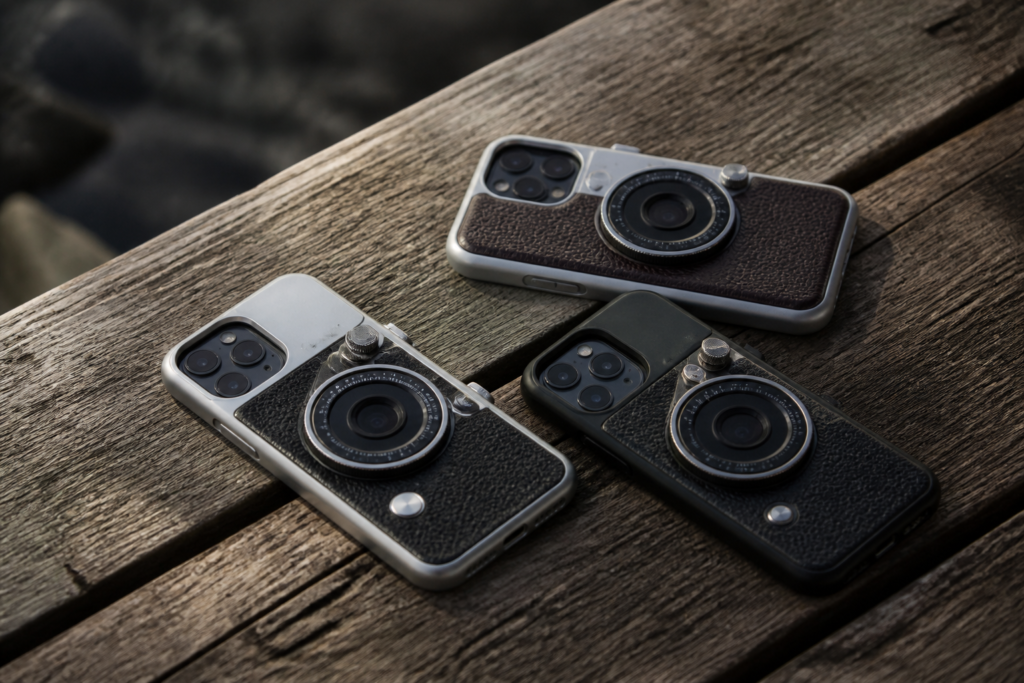
The construction landscape in Cape Town is undergoing a significant aesthetic shift, particularly within the high-end residential and heritage restoration sectors. As digital site documentation becomes a mandatory component of SANS compliance and NHBRC progress reporting, the tools used by contractors and architects are being scrutinized not just for their utility, but for their alignment with professional branding. The recent arrival of the Iris Series from Snapberry, a collection of vintage-inspired mobile protection, highlights a growing trend where the technical requirements of the site office meet the refined sensibilities of the design-build community.
Digital Documentation and the Professional Image on Site
For the modern South African contractor, the smartphone is as essential as a spirit level or a laser measurer. From capturing structural steel placements before a concrete pour to documenting waterproofing layers for insurance purposes, the mobile device is the primary tool for risk mitigation. In the competitive Cape Town market—where luxury developments in areas like Bantry Bay and Steyn City demand a high level of professional presentation—the “ruggedized” plastic aesthetic is increasingly being replaced by accessories that reflect craftsmanship and heritage.
The introduction of vintage camera phone cases Cape Town professionals are now adopting suggests that there is a significant market for hardware protection that does not compromise on design. For an architect or a site manager, carrying a device that mimics the tactile feel of a classic Leica or Hasselblad provides a subtle nod to the history of documentation and precision—values that are foundational to the building trades.
Technical Specifications of the Iris Series
While the aesthetic of the Iris Series leans heavily into the “Golden Age” of photography, the technical construction of these cases must meet the rigours of a live construction site. Industry analysts note that “vintage-style” often implies a sacrifice in durability, but in the context of professional use, the materials must withstand dust ingress, minor drops on screed floors, and the constant handling typical of a busy site inspection.
Materials and Ergonomics
- Impact Resistance: The chassis of these cases utilizes high-grade polymers designed to absorb kinetic energy during accidental drops on site.
- Tactile Grip: Mimicking the textured leatherette of vintage cameras, the surface provides an enhanced grip, which is a practical necessity when handling a phone with dusty or gloved hands.
- Lens Protection: Given that site photos are evidence of work quality, the Iris Series ensures that the mobile lens array is recessed and protected from abrasive surfaces common in the building environment.
Alignment with Cape Town’s Architectural Identity
Cape Town is unique in its dense concentration of Victorian, Edwardian, and Art Deco architecture. Contractors specializing in the restoration of these heritage buildings often find that their tools and accessories serve as a reflection of their respect for historical context. By integrating the Iris Series into their daily workflow, professionals are bridging the gap between 21st-century technology and the timeless principles of the trades.
Furthermore, the debut of this series in the Western Cape coincides with a localized push for “site-to-boardroom” versatility. Contractors are often required to move from a muddy trench in the morning to a high-stakes client presentation in the afternoon. An accessory that looks like a classic camera is a conversation starter that reinforces the professional’s identity as a creator and a documentarian of the built environment.
The Shift Toward Specialized Professional Accessories
The move by Snapberry to target the Cape Town market is a calculated response to the city’s status as a global design hub. For property owners and developers, the attention to detail shown by a contractor—right down to the protection of their documentation equipment—is often seen as an indicator of the care they will take with the actual build.
In an era where every stage of a project is uploaded to project management software like Procore or Autodesk Construction Cloud, the “camera” is the most used tool in the bag. Protecting that tool with a case that reflects the user’s professional standards is no longer a matter of vanity; it is a matter of brand consistency in a crowded and demanding market. As the Iris Series becomes a more common sight on Cape Town scaffolding and in site offices, it signals a broader maturation of the industry where form and function are finally being given equal weight.
Conclusion for the Trades
Whether you are a sole-proprietor electrician or a lead architect at a major firm, the equipment you carry defines your professional persona. The Iris Series offers a unique opportunity to maintain high standards of device protection while acknowledging the rich history of technical photography. For those operating in the Cape Town building sector, this launch represents a welcome departure from generic mobile accessories, providing a tool that is as well-crafted as the structures they build.